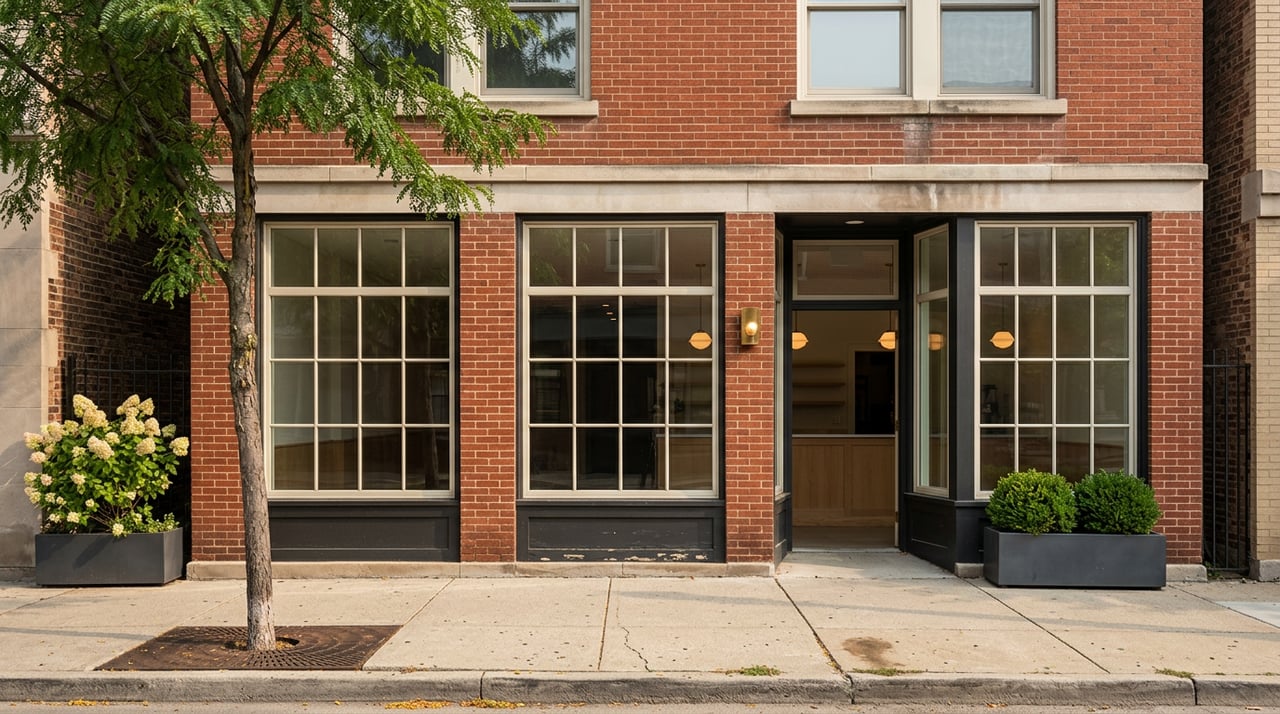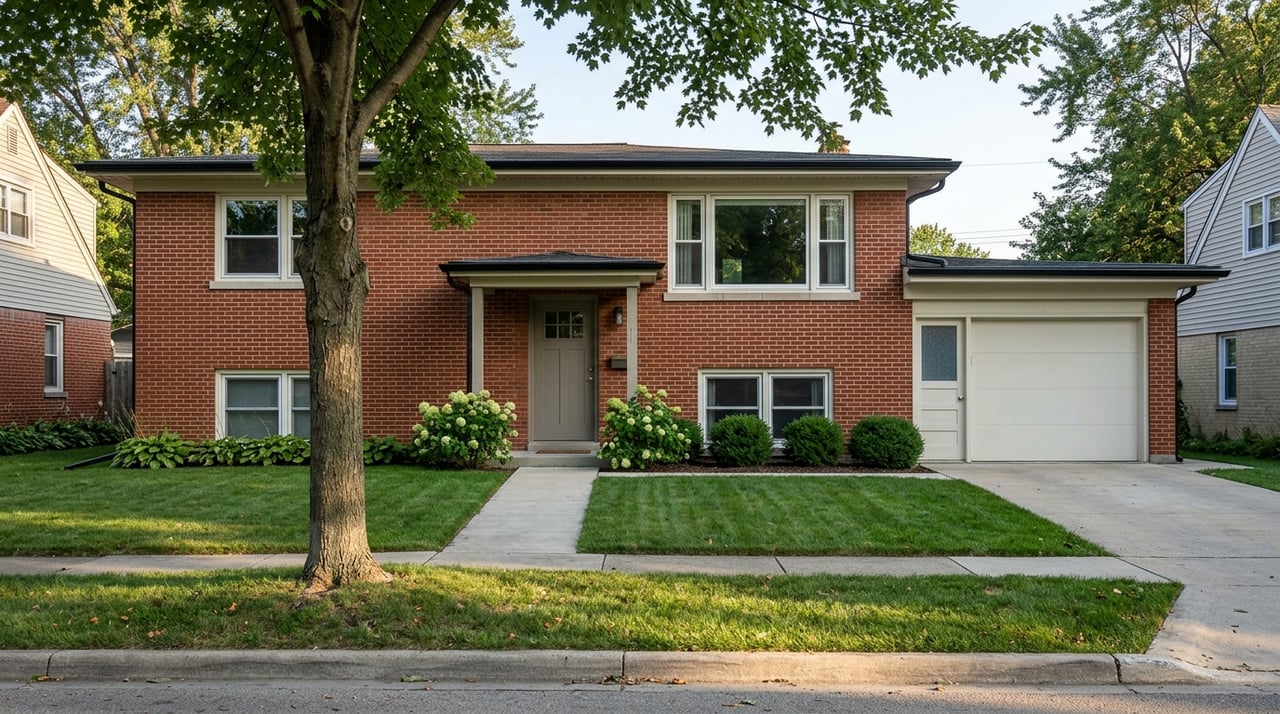
Downtown Crystal Lake Living vs West Side Homes
July 2, 2026
July 2, 2026
If you are deciding between downtown Crystal Lake and the western residential areas, you are really choosing between two different day-to-day lifestyles. One puts walkability, dining, and train access front and center. The other leans more suburban, with newer housing patterns and a wider mix of newer townhome and mixed-use options. If you want a clearer picture of which area may fit your routine, priorities, and housing goals, this guide will help you compare the tradeoffs. Let’s dive in.
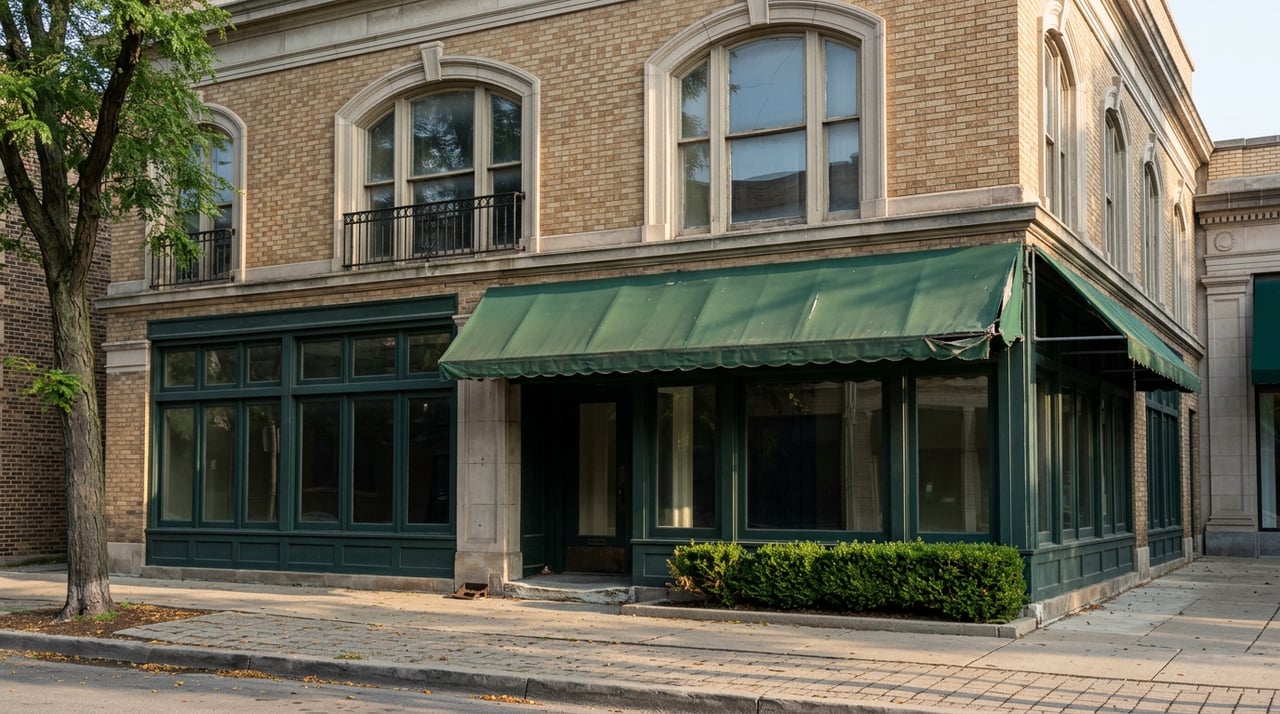
Downtown Crystal Lake is the city’s historic and cultural center. City planning materials describe it as a place where businesses thrive and where commuters travel to and from each day. That central role shapes how the area feels, functions, and grows.
If your ideal routine includes walking to coffee, dinner, or the train, downtown stands out. The area is known for walkable streets, local shops, arts and theater, and a strong dining scene. In a 2025 community survey, dining was the most common reason people visited downtown, at 76%.
Downtown offers a concentration of local businesses and public gathering spaces that support a more active street life. The city also maintains Downtown Outdoor Refreshment Areas at Depot Park and Brink Street Market Plaza, which adds to the social feel of the district.
Ongoing city investment also points to downtown’s importance. Improvements around Depot Park include better pedestrian access, seating, shade, performance space, and other public features designed to make the area easier and more enjoyable to use.
The downtown business mix reflects the area’s walkable appeal. Public materials point to restaurants, cafés, bars, breweries, shopping, and boutiques as key parts of the district.
That means your errands or social plans may involve a shorter drive, or no drive at all, depending on where you live nearby. For buyers who value convenience and activity, that can be a major advantage.
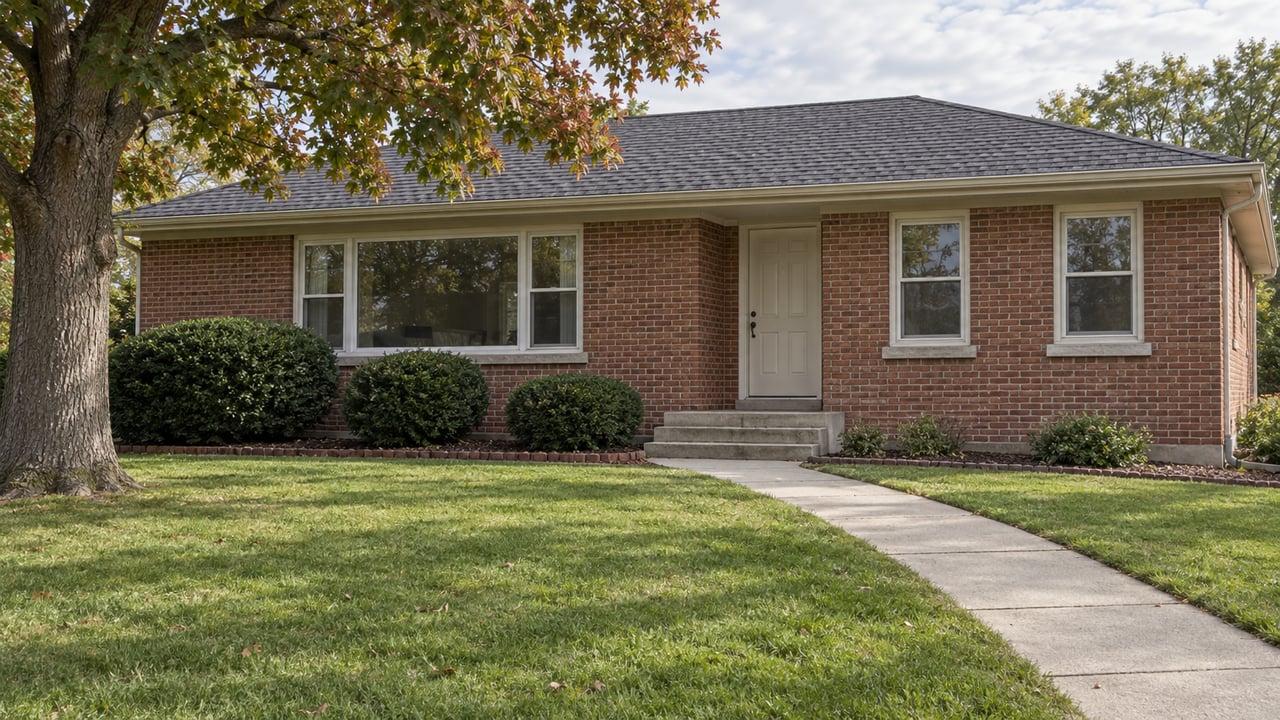
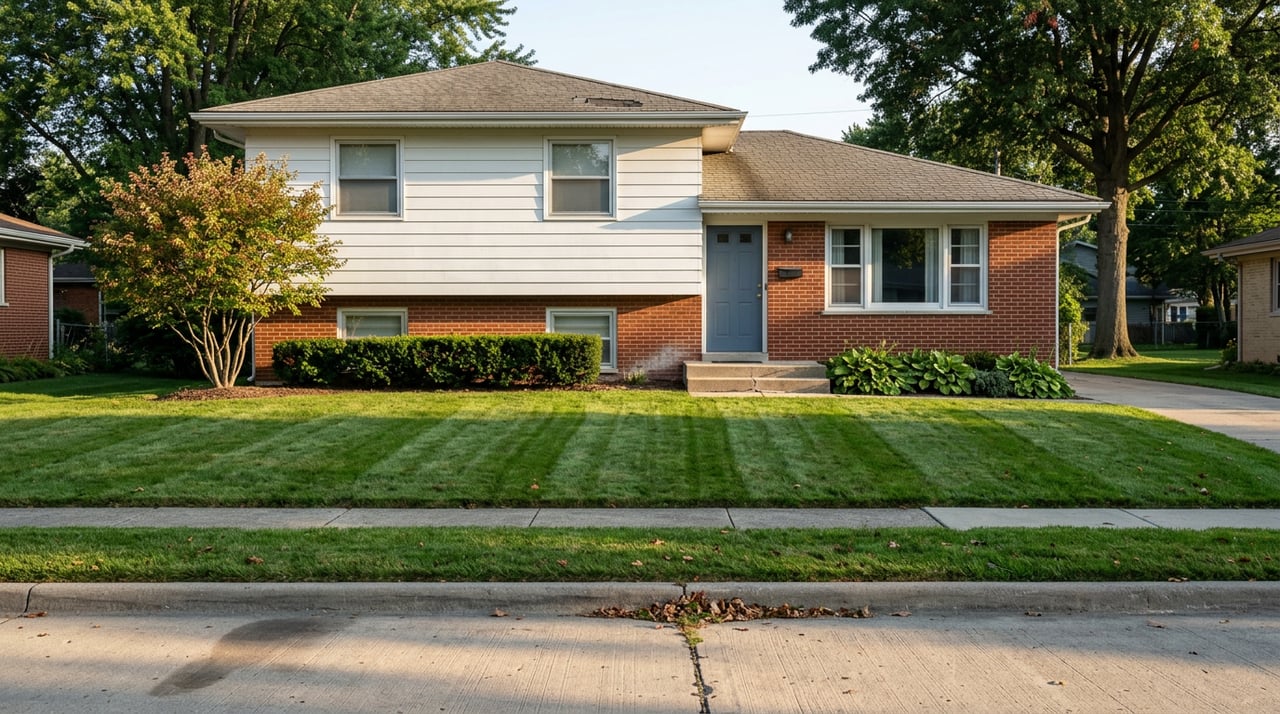
The western side of Crystal Lake is best understood as a descriptive area rather than one formal district. City planning materials show that most residential land uses are concentrated in the center and western side of the city. In general, this part of Crystal Lake reflects a more suburban pattern.
If you picture quieter residential streets, newer development, and more separation between home and storefront activity, the western and outer areas may feel like a better fit. These areas are less dense with shops and restaurants than downtown, even though some newer mixed-use projects are creating walkable nodes in outer corridors.
Western Crystal Lake tends to support a more residential daily routine. Instead of living in the middle of the city’s most active business district, you are more likely to rely on nearby corridors and short drives for shopping, dining, and errands.
For everyday needs outside downtown, the city points to Northwest Highway as a main corridor with major retailers, local shops, fine dining, and fast food. That gives residents access to convenience without the same concentrated downtown setting.
One of the biggest differences in western Crystal Lake is the type of newer development. While the overall pattern remains suburban, the housing mix is more varied than a detached-home-only model.
City project pages highlight newer options such as 102 townhomes at Woodlore Townes, a 304-unit townhome-apartment community with attached garages and ADA-accessible entrances, and Water’s Edge, a mixed-use redevelopment with housing, shopping and dining, and park space.
For pure walkability, downtown Crystal Lake has the edge. It offers the strongest concentration of restaurants, shops, entertainment, and public spaces in one area. If you want to step outside and have more destinations nearby, downtown is the easier match.
The western side can still offer convenience, but it usually looks different. Convenience there often means easier access to newer residential communities and commercial corridors by car, rather than a true walk-to-everything setup.
Choose downtown if you want your daily routine to include more time on foot. That can mean walking to dinner, grabbing coffee, attending events, or getting to the train with less planning.
Choose the western areas if you are comfortable with a more spread-out pattern. You may still have good access to shopping and dining, but the experience is usually more suburban than downtown-centered.
Crystal Lake has two Metra stations on the Union Pacific Northwest line. The Crystal Lake station is downtown at 70 E. Woodstock Ave. and Grant Street, while the Pingree Road station is at 570 Congress Parkway.
If train access is one of your top priorities, your exact address matters. Both stations serve the same line, but the best choice depends on whether you want a walk-to-train routine or a station that may be closer to a western address.
Downtown is the simplest fit for a train-first lifestyle because the station sits in the core of the district. The downtown station area also includes Pace bus connections via Depot Park. Parking in downtown is a mix of on-street spaces, lots, and permit Z-lots.
If you want the train woven into your daily routine, downtown gives you the most direct setup. That can be especially appealing if you value a more connected, less car-dependent schedule.
For homes in western Crystal Lake, Pingree Road may be more convenient depending on the block. Metra currently lists a daily parking fee of $1.50 there.
This can make western living a practical option for commuters who still want rail access, even if they are not living near the downtown core. It is less about walkability and more about choosing the most efficient station for your location.
Crystal Lake is primarily developed with single-family detached housing, according to the city’s housing plan. Still, the mix changes depending on where you look.
Downtown and close-in central areas have higher-density single-family and multi-family housing around the business district. The western and outer areas tend to reflect the city’s broader suburban character, with detached homes, newer subdivisions, and a growing number of townhome or mixed-use communities.
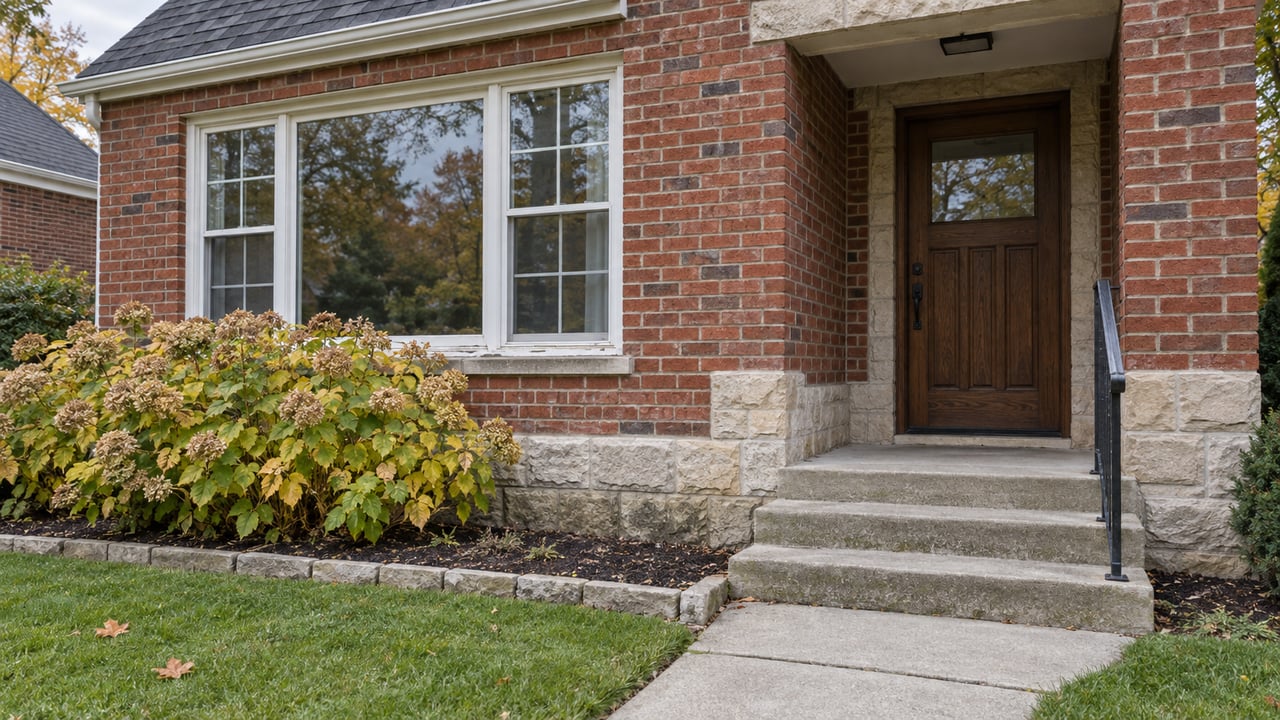
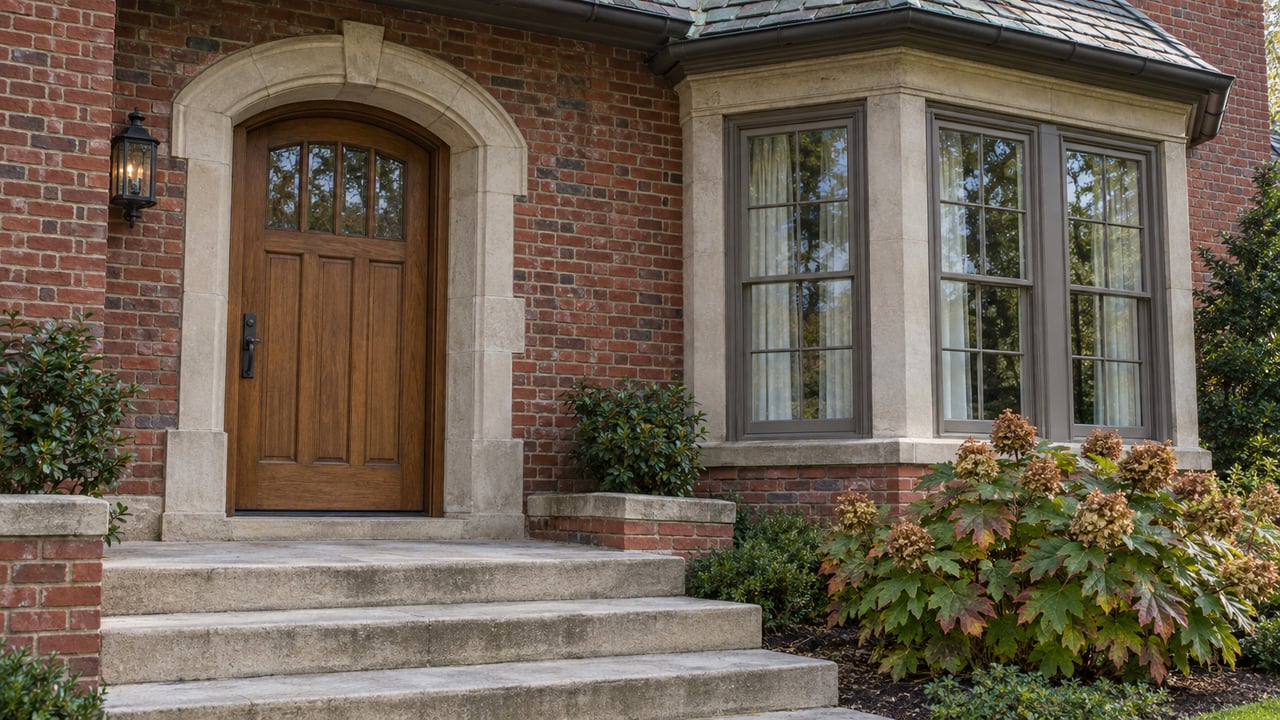
Near downtown, you will find a mix of older housing stock and newer infill. Historic materials point to older homes such as the Collen House, built in 1904, and the Olson House, built in 1927, which help illustrate the character found in the area.
The city has also approved a 99-unit apartment and townhome project at Crystal Lake Avenue and Main Street. That shows how downtown housing includes both established homes and newer higher-density options.
Western and outer residential areas often appeal to buyers looking for a more suburban texture. Newer subdivisions are typically governed by HOAs or planned unit developments, according to the city’s housing plan.
These areas also offer a wider selection of newer products, including townhomes and attached communities. If newer construction or a more recently planned layout matters to you, the western side may offer more of what you want.
The best choice depends on how you want your week to feel, not just what a map shows. A home near downtown may support a more walkable, connected routine. A home in western Crystal Lake may better match buyers who want newer housing patterns and a more suburban setting.
Here is a simple way to think about it:
A good home search starts with your routine. When you know whether you want to be close to downtown activity or in a newer residential corridor, it becomes much easier to narrow your options with confidence.
If you are weighing downtown Crystal Lake against the western side, the right answer is the one that fits how you actually live. Whether you are buying your first home, planning a move, or comparing neighborhoods more strategically, Chicagoland Real Estate Advisors can help you sort through the options and make a confident next move.
Stay up to date on the latest real estate trends.