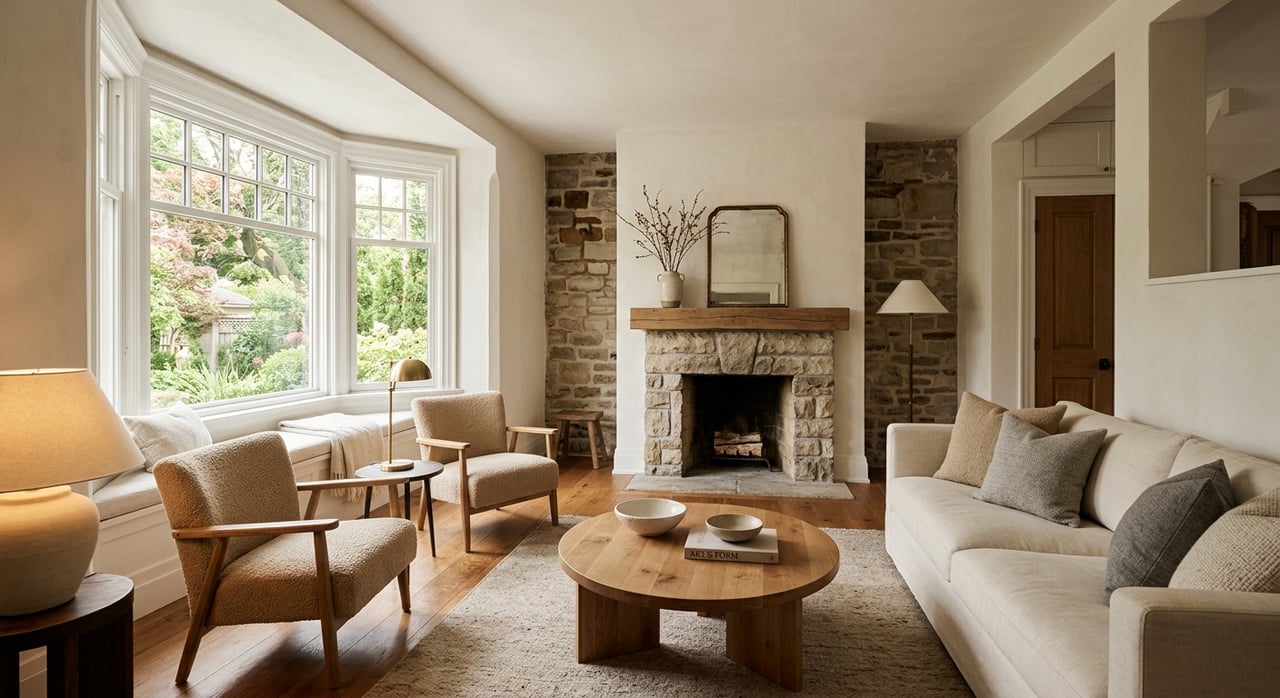
Highland Park Home Staging And Prep Checklist
July 23, 2026
July 23, 2026
Thinking about listing your Highland Park home soon? In a market where homes have recently sold in about 35 days, with a median sale price of $844K and 60.9% selling above list price, the way your home looks on day one can shape both interest and momentum. If you want buyers to notice your home’s strengths quickly, this checklist will help you focus on the prep work that matters most. Let’s dive in.
Highland Park is not a one-style-fits-all market. The local housing stock includes many older homes, larger floor plans, and a wide mix of architectural styles, from Tudor Revival and Colonial Revival to Ranch, Modern, and Contemporary homes.
That variety means your prep plan should match your home’s character. In many cases, the goal is not to make your house look generic. It is to help buyers understand the space, notice the architecture, and picture how they would live there.
Staging also matters because buyers often respond to more than square footage alone. Highland Park’s appeal includes its pedestrian-friendly downtown, Ravinia district, arts and culture, boutiques, restaurants, bike trails, and access to the Lake Michigan coastline, so your home presentation should support a polished, lifestyle-oriented first impression.
According to the 2025 NAR staging report, the rooms most often identified as important to stage are the living room, primary bedroom, and kitchen. For sellers, the most commonly staged rooms also include the dining room.
If you are deciding where to spend time and money first, begin with the spaces that shape daily life. In Highland Park, that usually means the main living areas, then the rooms that show comfort, function, and flow.
A defined office or flex room can be especially useful here. CMAP data shows 26.5% of workers in Highland Park work from home, so a clear workspace can help buyers see practical value in your layout.
Staging works best when it comes after the home is clean, edited, and functioning well. If you stage too early, clutter, unfinished repairs, and worn surfaces can still distract buyers.
A smart order for most Highland Park sellers is simple: declutter, depersonalize, deep clean, repair, touch up paint, stage, photograph, and list. That sequence helps every step build on the one before it.
Buyers need to see the size and purpose of each space. Remove extra furniture, crowded shelving, oversized decor, and anything that interrupts sightlines.
This is especially important in Highland Park homes with larger room counts and flexible spaces. CMAP reports a median of 7.5 rooms, plus a high share of 4-bedroom and 5-bedroom homes, so your layout should feel usable, not overfilled.
Pack away highly personal items like family photos, name signs, children’s artwork displays, and niche collections. You do not need to erase all warmth, but you do want the home to feel easier for a buyer to imagine as their own.
Keep decor simple and neutral in tone. The goal is a clean, inviting background that lets the home itself stand out.
Whole-home cleaning is one of the most common recommendations agents make before staging. Focus on floors, baseboards, windows, kitchens, baths, light fixtures, and anything buyers will see up close.
If your home has older finishes or detailed millwork, cleanliness matters even more. A spotless space helps original features feel cared for instead of dated.
Small problems can create bigger doubts. Tighten loose hardware, patch wall marks, replace burned-out bulbs, re-caulk where needed, and make sure doors, drawers, and faucets work smoothly.
In a competitive seller’s market, buyers may move quickly, but they still notice deferred maintenance. Your goal is to make the home feel move-in ready.
Paint touch-ups can have a big visual impact without the cost or disruption of major work. Clean, even walls help light reflect better and make rooms feel fresher in photos and in person.
If you repaint, keep the palette simple and quiet so it supports the architecture. Strong color choices can distract from room size, trim detail, or natural light.
Clean carpets, polish hard floors, and address any obvious grout or surface wear. Presentation-focused updates often deliver more value than broad remodeling, especially when buyers are already active in the market.
NAR’s 2025 staging report supports spending first on visible presentation. The median amount spent on staging service was $1,500, and some sellers’ agents reported offer price increases of 1% to 5% or even 6% to 10% after staging.
Highland Park homes span many eras, so staging should support the architecture instead of fighting it. A generic plan can flatten the very details that make your home memorable.
If your home has original details, let them lead. Keep window treatments simple, avoid blocking built-ins or trim, and use furniture that shows room scale without hiding character.
The goal is to reveal craftsmanship, not cover it up. Buyers often respond well when original features feel intentional, preserved, and easy to appreciate.
If your home is in a historic area or includes regulated exterior features, be careful with exterior changes. Highland Park’s historic preservation rules can apply to work that requires a building permit and changes features of the structure.
Open sightlines matter. Simplify furniture layouts, reduce accessories, and avoid anything bulky that interrupts the clean lines of the space.
In these homes, less is often more. Staging should make the architecture feel calm, open, and functional.
Your staging should not just make the home look pretty. It should help buyers understand how the space works for real life.
Because Highland Park has many larger homes, flexible-use rooms and storage can be meaningful selling points. If you have a den, bonus room, or extra bedroom, define it clearly so buyers do not have to guess how it could be used.
When possible, show one purpose per room. A room that feels clear and usable usually performs better than a room trying to do three different jobs at once.
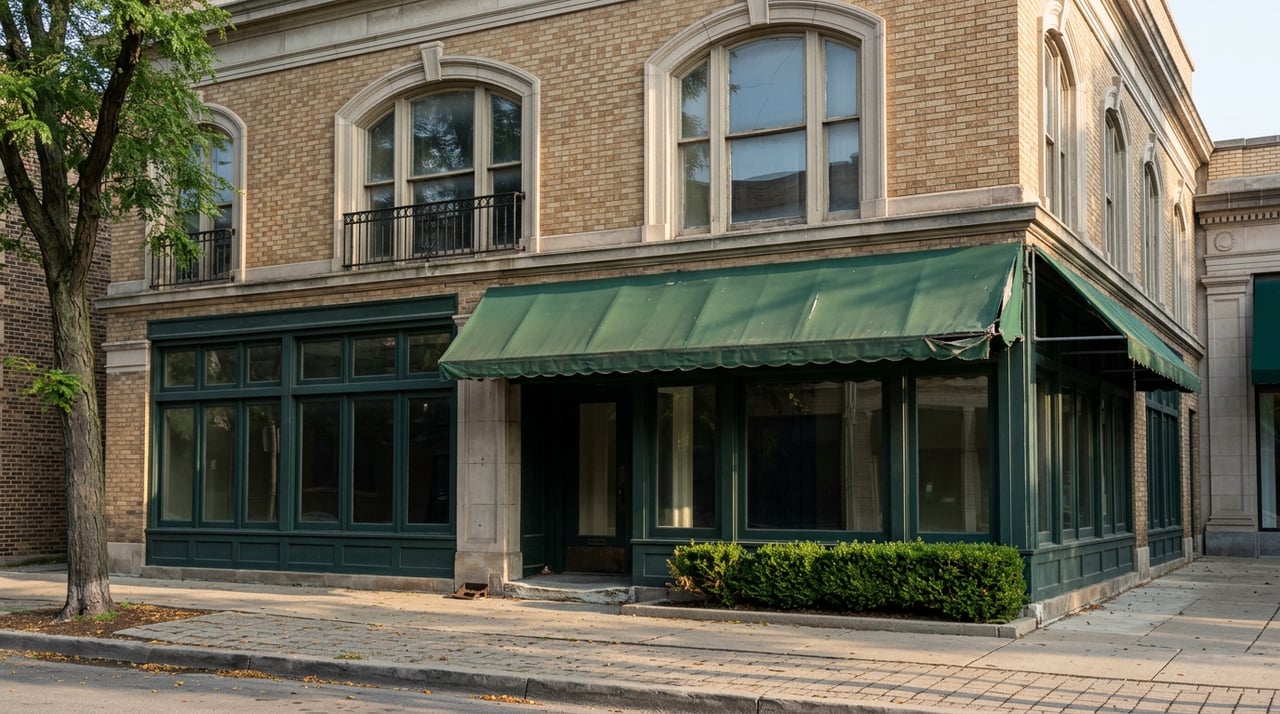
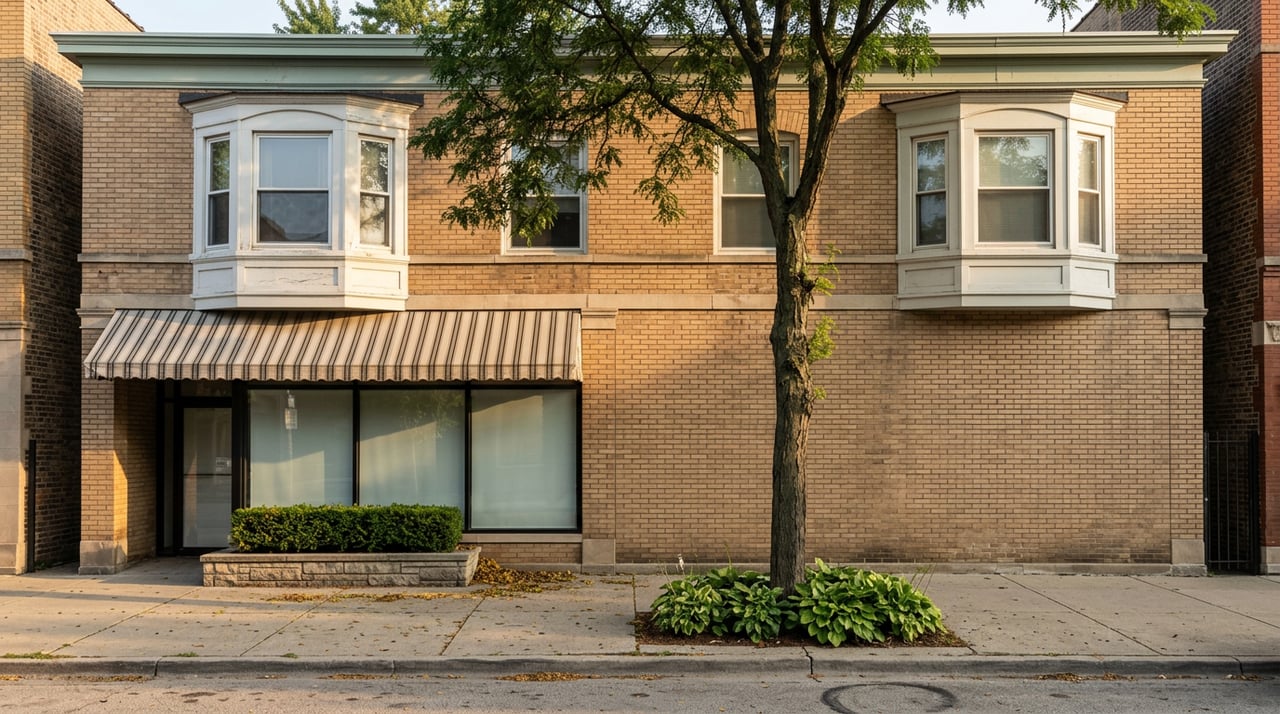
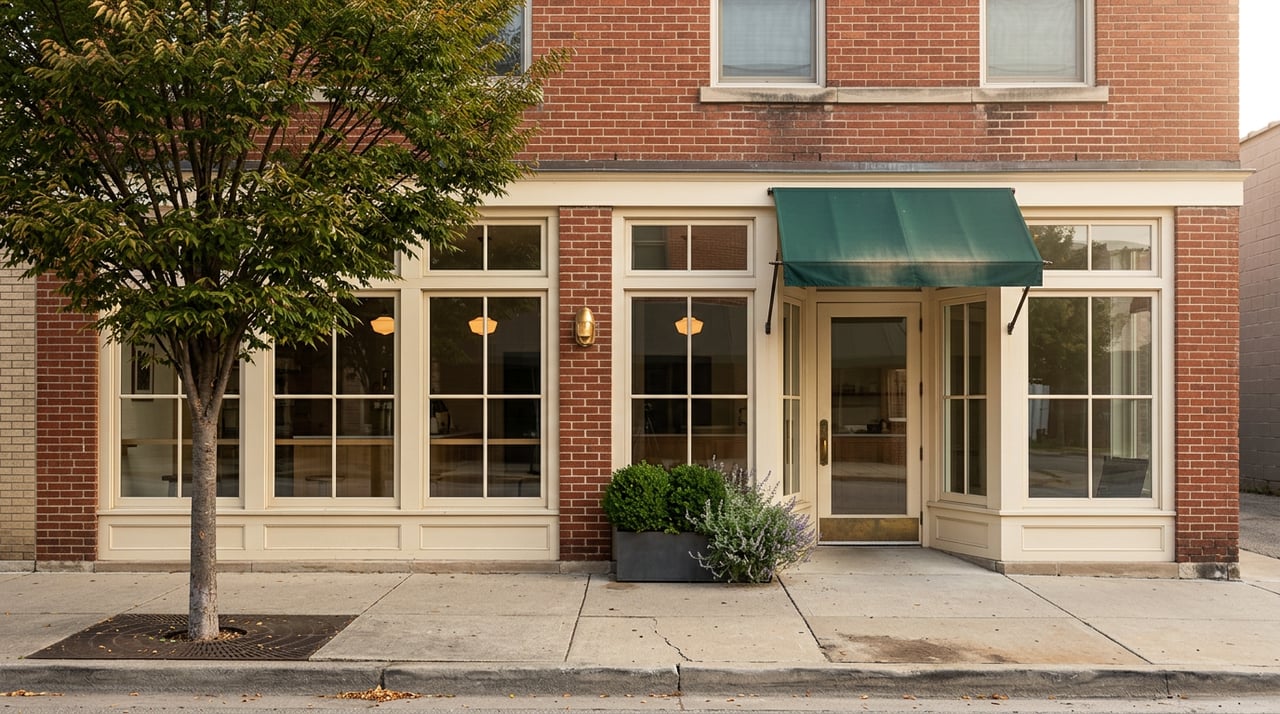
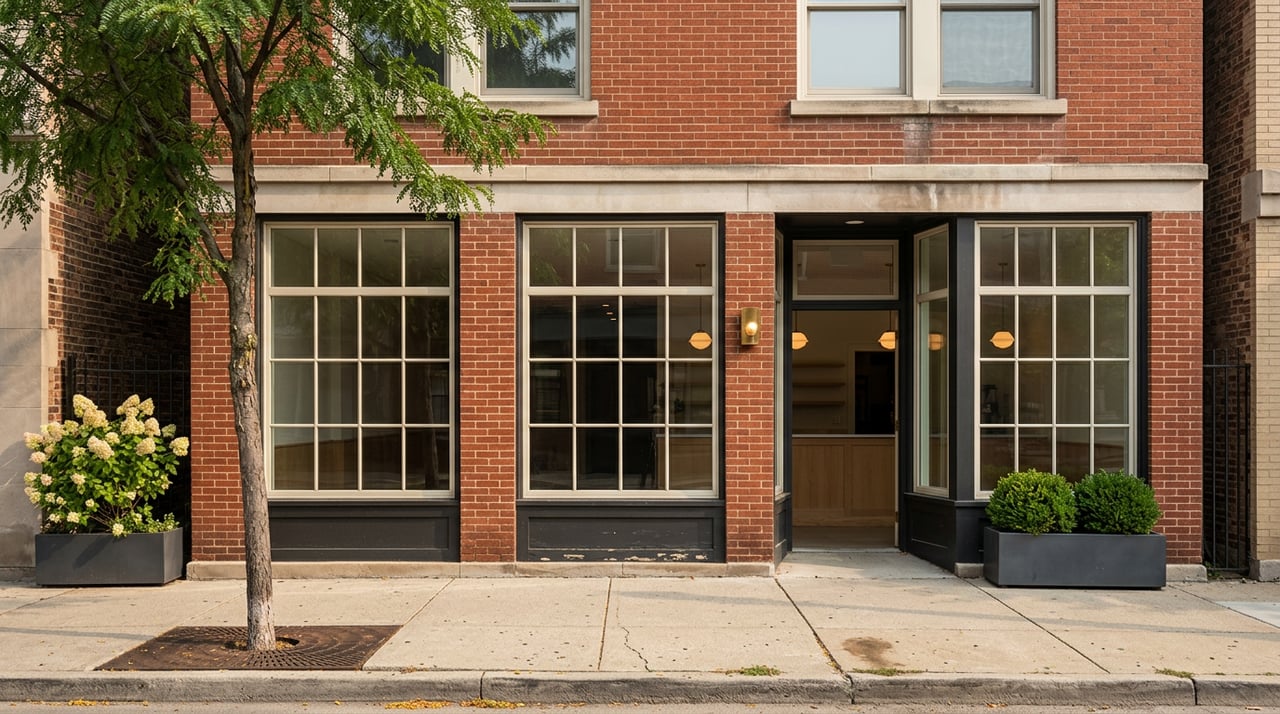
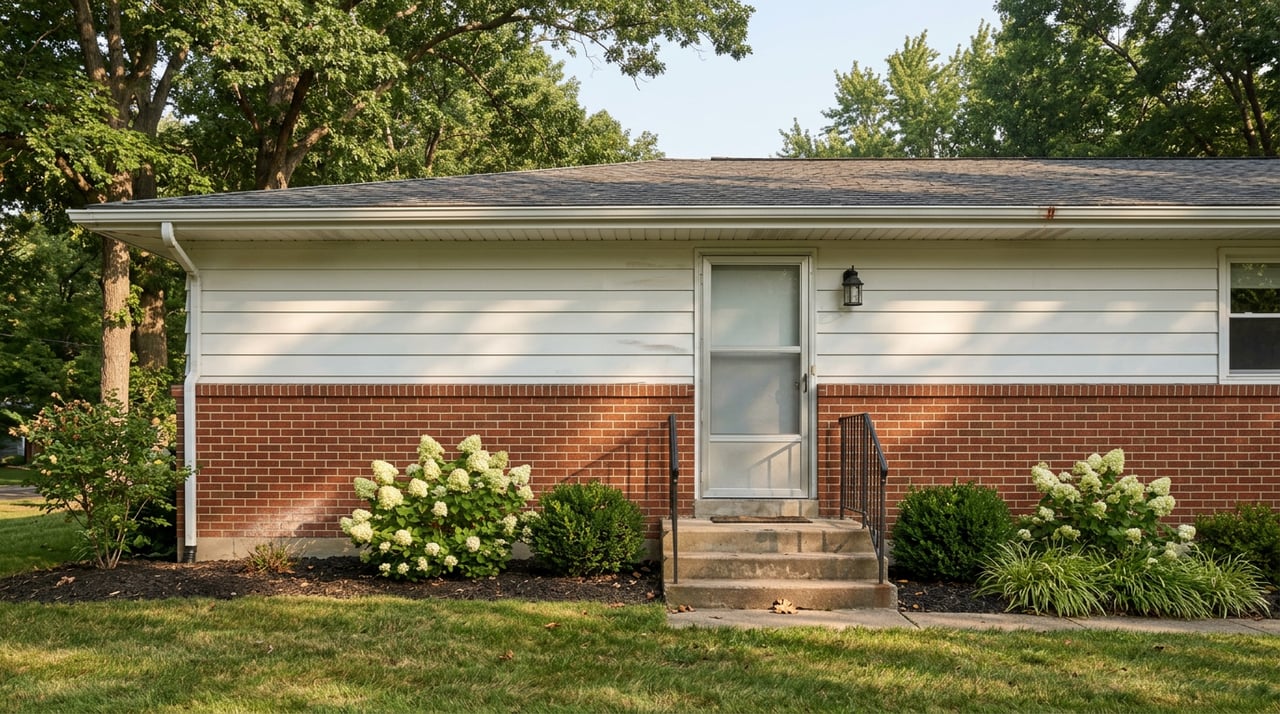
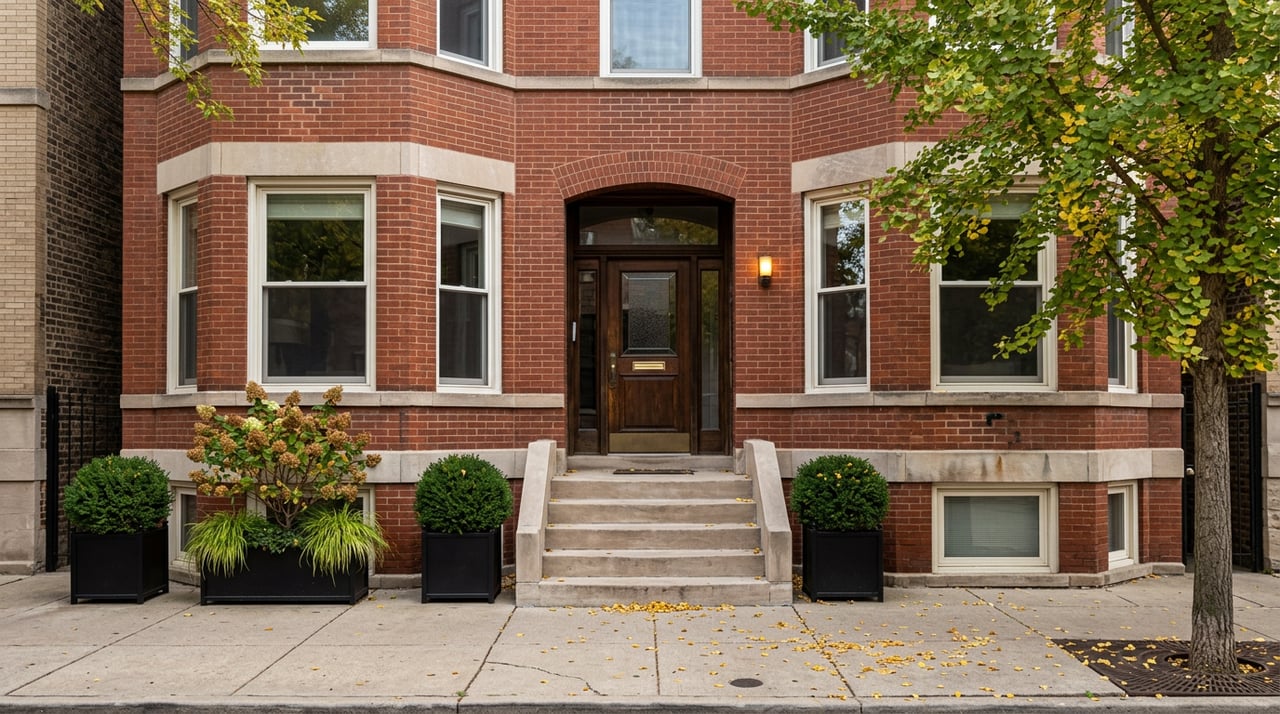
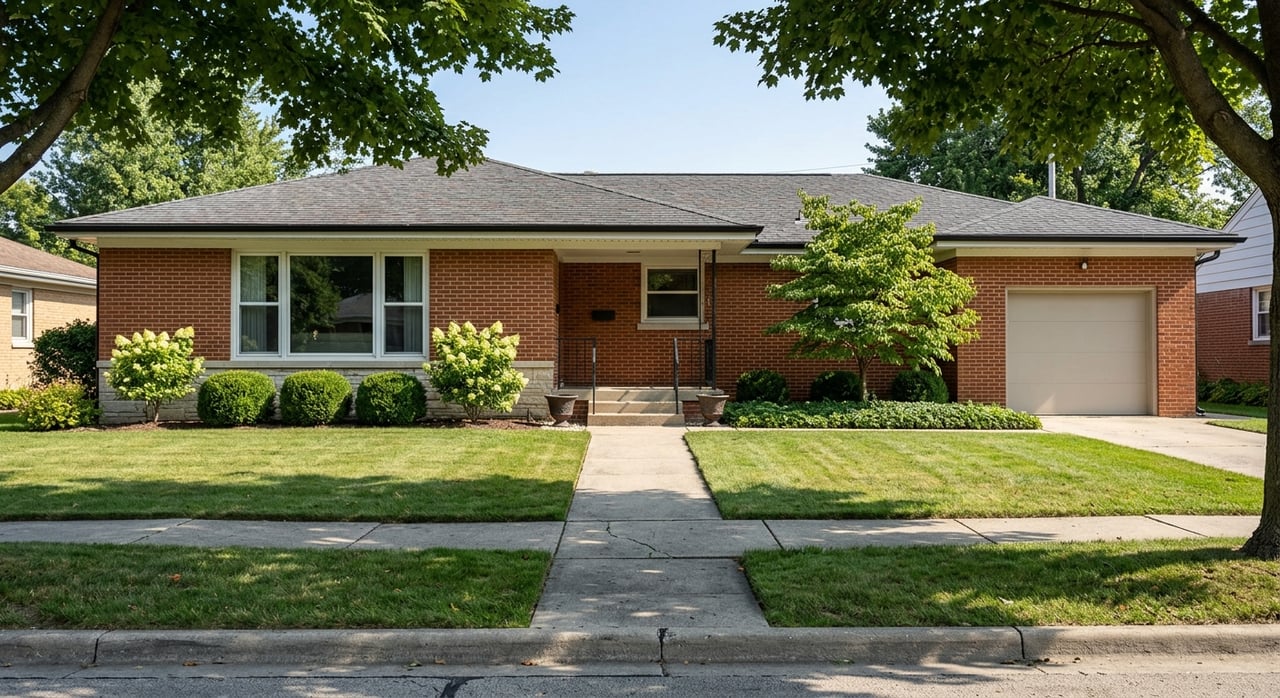
Before buyers ever see your kitchen or living room, they see the front walk, porch, and entry. Curb appeal is one of the most common pre-staging recommendations because it shapes the first impression immediately.
Highland Park’s four-season climate means exterior prep should change with the time of year. Winter snow, spring thaw, summer growth, and fall leaves all affect how your home reads from the street.
Outdoor space can matter more than sellers expect. In a community known for trails, lakefront access, and outdoor amenities, a clean and usable yard can help buyers connect the home to the local lifestyle.
Photos are not the final step after staging. They are part of staging.
The 2025 NAR report found that buyers’ agents ranked photos above traditional physical staging, with videos and virtual tours also ranking highly. That means every room should be prepared for the camera, not just for in-person showings.
A room that feels fine in person can still look busy in photos. Clean edges, open floor space, and balanced lighting usually make the biggest difference.
In Highland Park, the best prep plan is often the most disciplined one. Because the market is already competitive, broad remodeling is not always the smartest first move.
Instead, focus on visible, lower-drama improvements that support presentation. Decluttering, cleaning, small repairs, paint touch-ups, curb appeal, and well-planned staging usually do more to improve first impressions than expensive renovation right before listing.
If you are not sure where to start, it helps to walk through your home as a buyer would. Ask yourself what stands out first, what feels unclear, and what could be simplified to help the home show at its best.
A strong listing launch is rarely about doing everything. It is about doing the right things in the right order.
If you are preparing to sell in Highland Park, Chicagoland Real Estate Advisors can help you build a smart, market-specific prep plan, connect you with trusted partners, and position your home for a strong first impression.
Stay up to date on the latest real estate trends.