Moving From Chicago to Highland Park: What to Expect
July 16, 2026
July 16, 2026
Thinking about trading Chicago density for more space on the North Shore? If Highland Park is on your shortlist, the move can feel exciting and a little hard to picture at the same time. The biggest differences are not just about location. They affect your home search, budget, commute, and daily routine. Let’s break down what really changes when you move from Chicago to Highland Park.
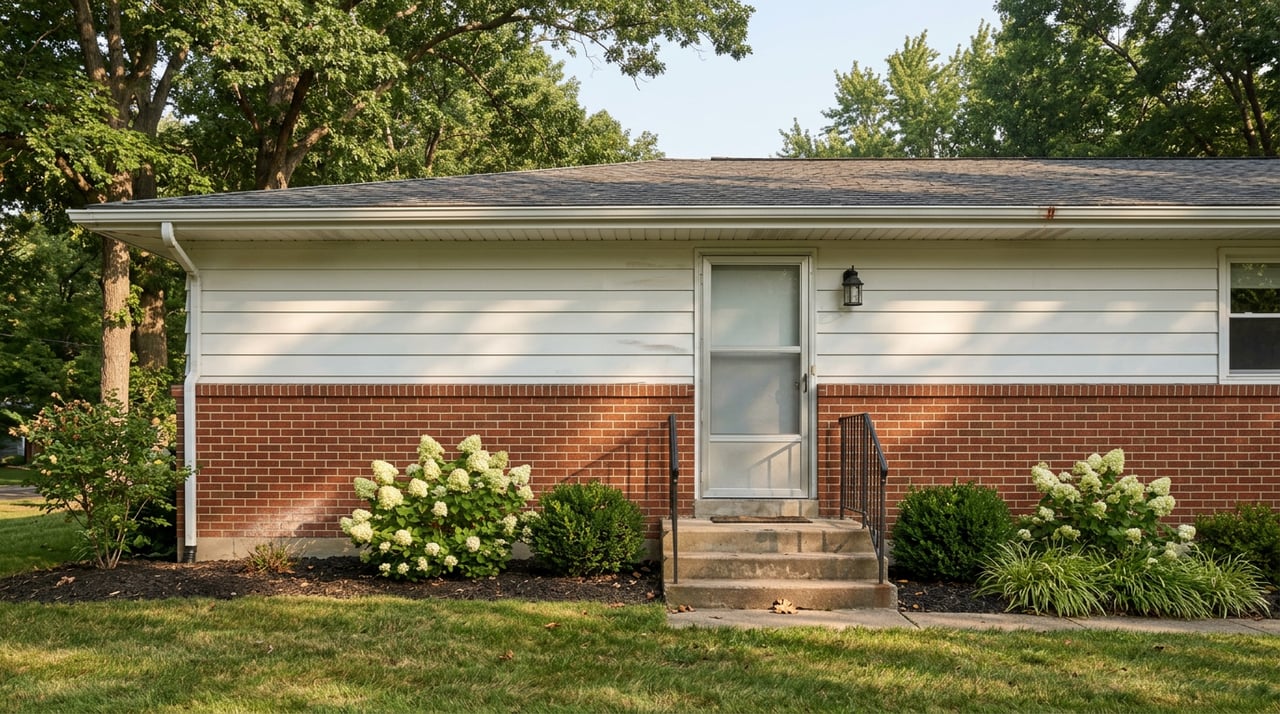
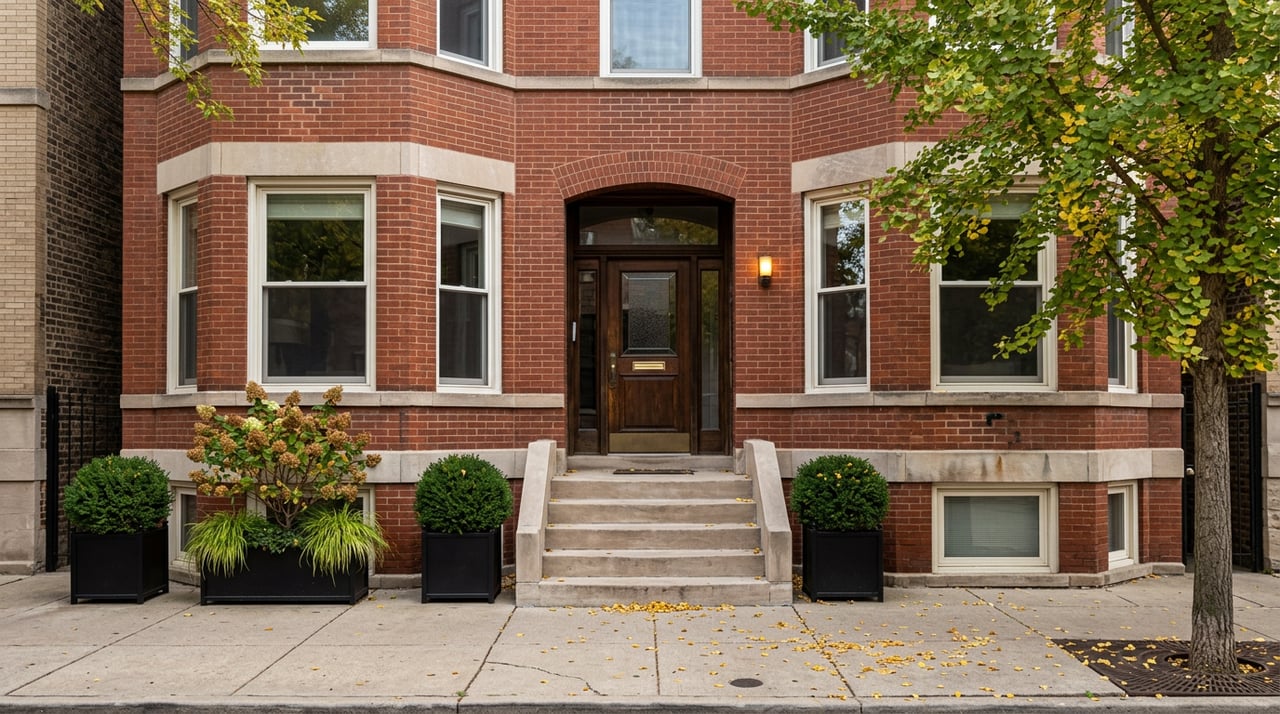
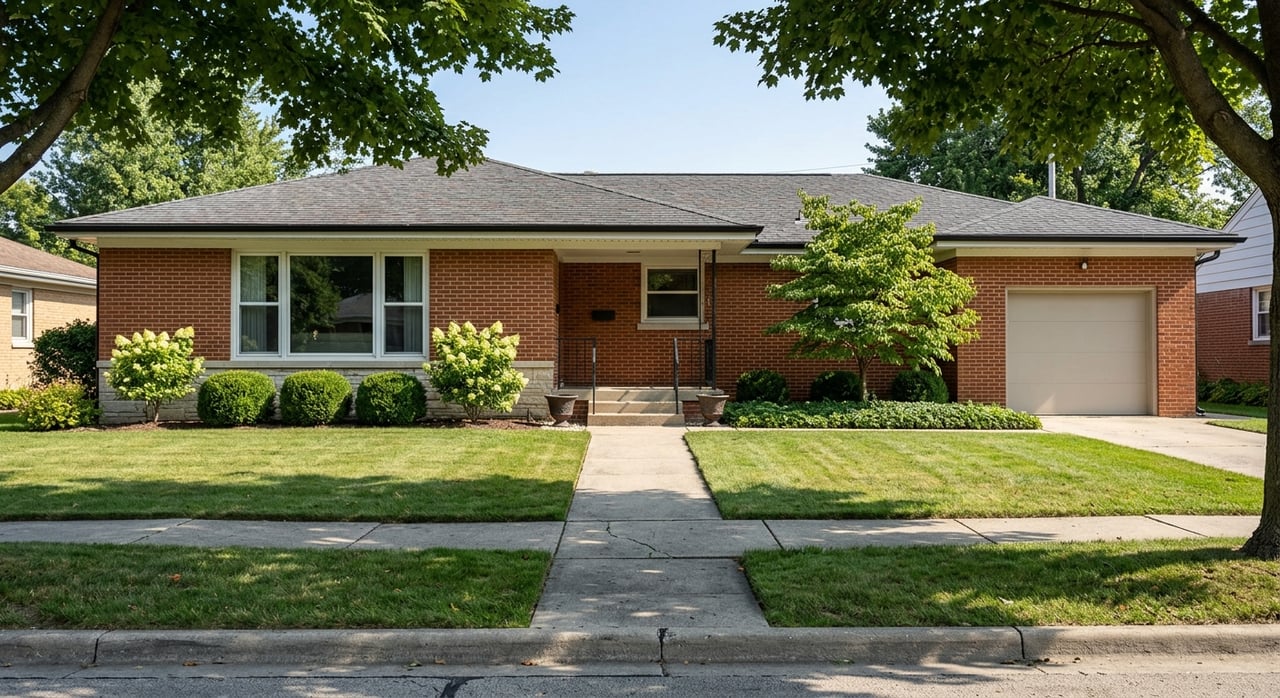
One of the biggest shifts is the type of home you are likely to see. Highland Park is much more single-family-home oriented than Chicago, with 73.6% of housing units classified as detached single-family homes compared with 25.6% in Chicago. Chicago, by contrast, has a much larger share of dense multifamily housing.
That difference shows up in how a move feels day to day. In Highland Park, you are more likely to shop for a house with a yard, more privacy, and more separation from neighboring properties. In Chicago, many buyers are comparing condos, apartments, and smaller-scale attached housing.
If you are moving north for space, the data supports that decision. Highland Park has a median of 7.5 rooms per home, while Chicago sits at 4.7. Also, 45.9% of Highland Park homes have four or more bedrooms, compared with 13.1% in Chicago.
That often means your search criteria change in a practical way. Instead of asking how to maximize a smaller footprint, you may start thinking about guest rooms, home offices, storage, and outdoor upkeep. More room can bring more flexibility, but it also adds more responsibility.
Highland Park also tends to feel less tightly packed. CMAP reports that 49.3% of the city’s land is in single-family residential use and 20.2% is open space. Local zoning also includes larger minimum lot-area standards in some single-family districts, which helps explain the more yard-oriented feel.
It is easy to assume a suburb means mostly newer homes, but Highland Park offers a broader mix. According to CMAP, 23.9% of housing was built before 1940, and 35.2% was built between 1940 and 1969. The city’s median year built is 1963.
For you as a buyer, that means the market is not one-note. You may come across historic homes, mid-century properties, and later construction in the same general search. Each can come with different maintenance needs, layouts, and renovation considerations.
The move from Chicago to Highland Park usually comes with a higher price point. Census QuickFacts reports a median owner-occupied home value of $607,300 in Highland Park, compared with $334,100 in Chicago. That is a meaningful jump, especially if you are coming from a condo or smaller home.
Monthly ownership costs are also higher. Median selected monthly owner costs with a mortgage are $3,479 in Highland Park versus $2,339 in Chicago. Median gross rent is also higher in Highland Park, at $1,925 compared with $1,440 in Chicago.
For many buyers, this changes the budgeting conversation. In the city, you may have focused on mortgage payment, HOA dues, and proximity. In Highland Park, you are more likely to budget for mortgage costs, maintenance, landscaping, and the general carrying costs that come with a larger home and lot.
Another key difference is how ownership shapes the market. In Highland Park, 83.8% of occupied housing units are owner-occupied, compared with 46.0% in Chicago. That can influence everything from the housing inventory you see to the pace and expectations of the market.
If you are used to city neighborhoods with a heavier mix of renters and condo owners, Highland Park may feel more oriented around long-term ownership. That does not automatically make the process easier or harder, but it does mean your search may involve a different set of tradeoffs and priorities.
A move to Highland Park does not always mean a dramatically longer commute, but it often means a different commuting style. CMAP reports a mean commute time of 27.5 minutes in Highland Park and 33.1 minutes in Chicago. The larger shift is often how you get around.
Highland Park is more car-centered than Chicago. Among workers, 61.1% drive alone, 26.5% work from home, and 5.6% use transit. In Chicago, 44.7% drive alone, 21.0% work from home, and 17.7% use transit.
Vehicle ownership tells the same story. In Highland Park, 48.2% of households have two vehicles, 32.2% have one vehicle, and just 2.7% have no vehicle. In Chicago, 26.6% of households have no vehicle at all.
Even though daily life is more car-oriented, Highland Park is not disconnected. Metra’s Union Pacific North service includes Highland Park, and the city describes downtown Highland Park as accessible by the Metra North line. The city also highlights Pace bus connections and bike-trail access in the Ravinia area.
That gives you options, but the rhythm is still different from Chicago living. If you are used to designing your day around the L or walking to most errands, Highland Park may feel more planned out and less spontaneous. Many people find that tradeoff worthwhile for the added space and quieter residential setting.
Chicago offers dense, all-day convenience in many neighborhoods. Highland Park offers a smaller, more destination-oriented downtown experience. The city describes downtown Highland Park as an upscale outdoor shopping area with boutiques, restaurants, free parking, and a pedestrian- and cyclist-friendly layout.
The downtown district covers about 106 acres and includes about 450 businesses. The city also notes that Highland Park has nine distinct business districts. That is a helpful way to think about the area overall, because it often feels like a collection of local hubs rather than one large urban core.
For your daily routine, that can mean more intentional errands and a stronger neighborhood-based feel. You may still have plenty of dining and shopping options, but the experience is typically more spread out than in Chicago.
One of Highland Park’s standout features is the Ravinia District. Official city materials describe it as an arts-and-festival district with seasonal events, bike-trail access, Metra access, and the well-known Ravinia Festival. The city also emphasizes Lake Michigan, trails, and locally focused shopping and dining as part of the community experience.
If you are moving from Chicago, this often translates into a different lifestyle pattern. Entertainment, outdoor time, and everyday routines may become more tied to local districts, parks, and the lakefront instead of a dense urban grid. That can feel like a major quality-of-life shift depending on what you value most.
If you are coming from a Chicago condo search, be ready for a faster pace when shopping for detached homes. According to MRED’s May 2026 local market update, Highland Park’s average market time for all properties was 24 days. Detached single-family homes were also at 24 days, while attached single-family homes averaged 53 days.
Chicago’s comparable all-properties average market time was 55 days. That means a well-matched home in Highland Park may not sit for long. If you find a property that checks your boxes, you may need to move quickly with touring, decision-making, and offer strategy.
Moving from Chicago to Highland Park is usually less about going from city to suburb in a generic sense and more about changing your day-to-day living pattern. You are likely trading density for space, shared walls for more privacy, and transit-heavy habits for a more car-centered routine. You are also likely stepping into higher housing costs and more upkeep.
At the same time, you may gain larger rooms, more bedrooms, more outdoor space, and access to a city with active business districts, local amenities, and a strong connection to the lakefront and trails. The right move depends on what matters most to you right now and how you want your next home to function.
If you are weighing Chicago versus Highland Park, a local strategy matters. Chicagoland Real Estate Advisors can help you compare neighborhoods, understand the numbers, and build a move plan that fits your goals.
Stay up to date on the latest real estate trends.