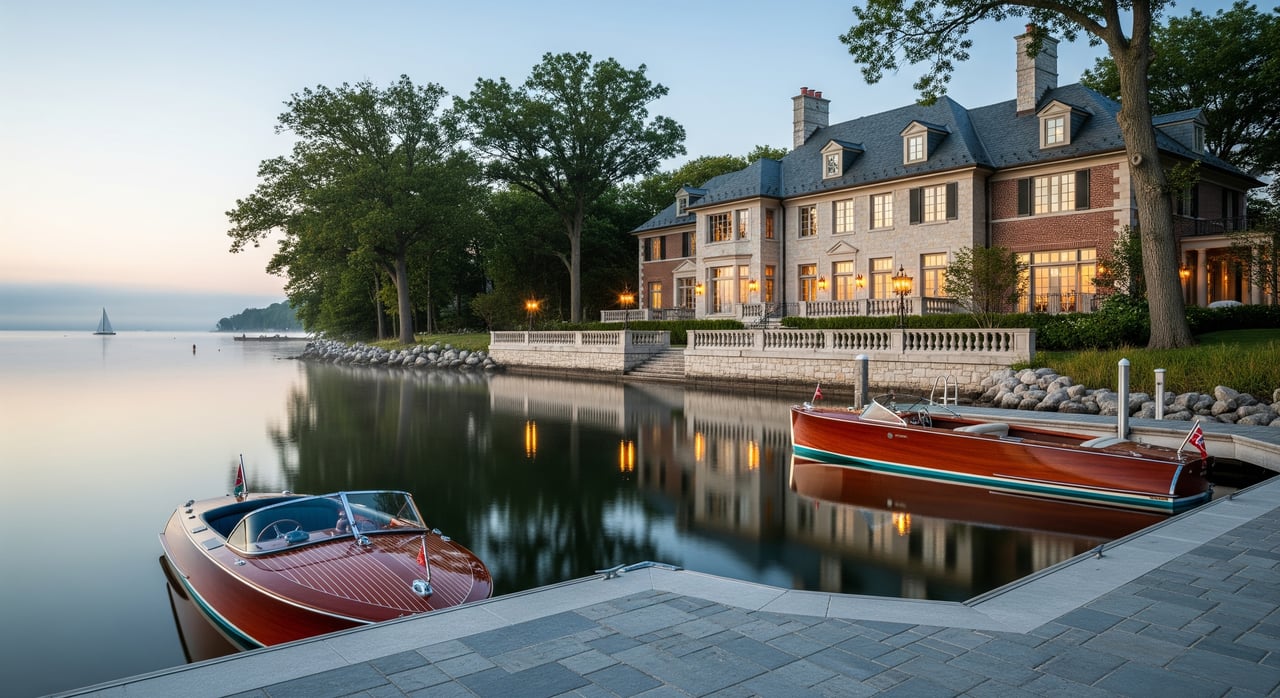
Buying Near The Lake in Lake Forest: Costs and Considerations
December 18, 2025
December 18, 2025
Is living steps from Lake Michigan in Lake Forest worth the premium? If you love morning walks on the beach, big-sky views, and a quiet coastal vibe, the answer might be yes. Still, buying near the lake comes with unique costs, rules, and maintenance you want to understand before you write an offer. This guide walks you through pricing dynamics, upkeep realities, permits, and a clear checklist so you can buy with confidence. Let’s dive in.
Scarcity, views, privacy, and assured access all influence demand and resale. Properties with private shoreline or deeded beach rights often command strong attention. Homes close to public beaches and parks also benefit from convenience and lifestyle appeal.
Published discussions show a wide range for waterfront premiums, from modest to multiples of inland prices. In Lake Forest, recent comparable sales are decisive. Ask your agent for a comparative market analysis that separates direct waterfront, deeded-access, and near-lake sales so the premium you pay is tied to real data.
Lakeside exposure can accelerate wear. Salt spray and airborne minerals increase corrosion of fasteners, railings, and HVAC parts. UV, wind, and moisture can shorten the life of paint, decking, masonry, and roof systems. Freeze-thaw cycles can also stress chimneys, foundations, and retaining features.
Plan for exterior washing, touch-up painting or staining, deck sealing, and corrosion control. Keep gutters and downspouts clear and schedule routine inspections for roofs, masonry, and railings. Expect somewhat higher annual maintenance than a typical inland suburban home.
Shoreline structures such as seawalls, revetments, and rip-rap need periodic evaluation and occasional major repairs or replacement. Decks and railings may have shorter replacement cycles near the lake. Roofing lifespans can vary with exposure and materials.
Many buyers add an “environment premium” to annual upkeep. A conservative planning range is an additional 0.5 to 2 percent of the purchase price per year to account for lakeside exposure. For shoreline work, large repairs or replacement can range from tens of thousands to hundreds of thousands of dollars depending on site access, footage, and design. Always obtain local engineering and contractor estimates before you rely on any figure.
Flood insurance may be required if the home is in a FEMA Special Flood Hazard Area. Premiums depend on flood zone, elevation, and mitigation steps. Also review homeowner coverage for wind, wave, ice, and water-related damage. Insurers can change underwriting for lakeshore exposure, so get quotes early in your due diligence.
In Lake Forest, exterior additions, decks, retaining walls, fences, significant grading, and new structures typically require permits. Some neighborhoods also have design review or historic guidelines. Confirm the property’s permit history and whether any work was done without permits.
Lake County may regulate erosion, stormwater, and setbacks near shorelines or bluffs. Work near or below the ordinary high water mark or affecting beach systems can trigger Illinois Department of Natural Resources or Illinois Coastal Management Program review.
Projects below the ordinary high water mark, such as seawalls, groins, dredging, or significant fills, often require U.S. Army Corps of Engineers authorization. Work impacting wetlands or protected aquatic resources can require additional approvals.
Deeded beach easements, private beach clubs, and restrictive covenants can govern who may use the beach, what structures are allowed, and who must maintain them. Some lots near the water do not own the beach or bluff. Verify legal ownership, any shared maintenance obligations, and the history of special assessments for shoreline stabilization.
Shoreline permits often require engineering plans, environmental reviews, and long lead times that can stretch over months. Budget for permit fees, surveys, engineering, geotechnical reports, and potential mitigation conditions. Early consultations with local planners and a shoreline engineer can reduce surprises.
Decide how much you value private access or big views against higher upkeep and insurance. Specialized properties can be more sensitive to market cycles, even when they are in demand.
A discounted lakefront home may come with near-term capital needs that offset the lower price. A near-lake home with walkable access and lower maintenance could deliver the right balance of enjoyment and cost.
If your plan includes new shoreline structures, major additions, or significant grading, confirm permitability before you count on future resale or renovation value.
Keep records of beach rights, permits, maintenance, and engineering reports. Organized documentation helps future buyers verify value and can speed up a sale.
You do not have to navigate this alone. A team that understands Lake Forest’s shoreline, permitting, and market dynamics can keep you on track from first showing to closing. Chicagoland Real Estate Advisors pairs boutique, client-first guidance with a strong partner network of lenders, inspectors, engineers, surveyors, and insurance pros. We will help you validate the lake premium with the right comps, line up quotes, and assemble the due diligence you need to move forward with confidence.
Ready to explore homes near the lake in Lake Forest? Start a conversation with Chicagoland Real Estate Advisors.
Stay up to date on the latest real estate trends.