Chicago North Side Two-Flats Vs Condos For Buyers
April 16, 2026
April 16, 2026
Trying to choose between a North Side two-flat and a condo? You are not alone. For many Chicago buyers, this decision sits right at the intersection of budget, lifestyle, and long-term strategy. If you are weighing lower-maintenance living against rental income and more control, this guide will help you understand the tradeoffs so you can make a smarter move in Chicago. Let’s dive in.
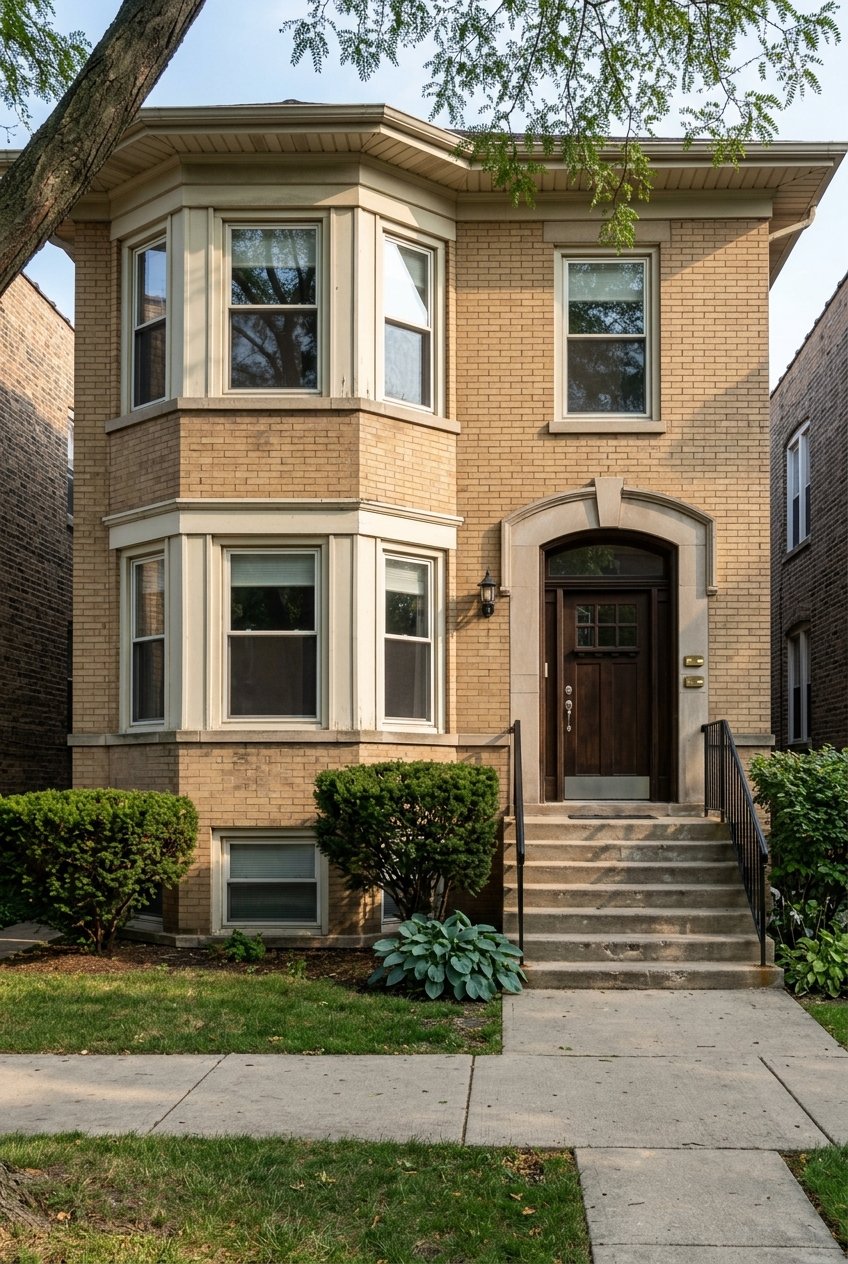
Chicago is one of the best places to compare these two property types because two- and three-flats make up more than 30% of the city’s housing stock. According to the Chicago Architecture Center’s overview of the Chicago two-flat, the typical two-flat is a two-story building with one apartment per floor, usually built between 1900 and 1920.
That history still shapes today’s buyer decisions on the North Side. Many of these buildings were originally designed as wealth-building properties, with rent from one unit helping offset the mortgage. By contrast, condos offer a more standard ownership model that can feel simpler day to day.
A two-flat usually means whole-building ownership. You own both units and the structure itself, which gives you more flexibility in how you use the property.
That can include living in one unit and renting the other, renting both units, or holding the building as a long-term investment. In practical terms, a two-flat often works like a small landlord property with owner-occupant potential.
The biggest appeal is often income potential. The Chicago Architecture Center’s building guide notes that Chicago two-flats were historically created with wealth building in mind.
For today’s buyers, that can make a two-flat especially appealing if you want to offset your monthly housing costs. It can also open the door to a house-hacking strategy, where rental income helps support ownership.
A condo is different because you own one unit plus a shared interest in the common elements. Under Illinois condominium law, the condo board or association is generally responsible for common-element upkeep, budgets, assessments, collections, staffing, and insurance.
That structure changes the ownership experience. You usually have less direct responsibility for exterior repairs and shared spaces, but you also have less control over how those decisions are made.
For many buyers, the main advantage is simplicity. A condo can offer a more predictable ownership experience if you want to avoid handling major building systems, exterior repairs, or day-to-day property management.
This can be especially attractive if your priority is a primary residence with fewer landlord-style responsibilities. In many cases, condos also follow a more familiar resale path than a two-flat, though that can depend heavily on the association.
Financing is one of the biggest areas where these options start to separate. Even if the purchase price looks similar, the loan path may not.
According to the FHA handbook, at least one borrower must occupy the property within 60 days and continue occupying it for at least one year. FHA also allows a minimum required investment of 3.5% of the adjusted value.
That can make a two-flat attractive for buyers who plan to live in one unit. If you are considering this route, you should also verify the exact current Cook County FHA loan limit before setting your target price.
FHA financing for condos can be more complicated. HUD states that condo financing generally requires project approval, and single-unit approval rules apply only in completed projects with at least five total units.
HUD also limits FHA concentration in many projects and excludes projects with mandatory rental pooling or restrictions on owner occupancy. That means a condo purchase can hinge on project eligibility, not just your personal qualifications.
Conventional financing can also be strong for two-flat buyers. Freddie Mac guidelines allow up to 95% loan-to-value on a 2-unit primary residence.
The research also notes that Fannie Mae’s HomeReady can go to 3% down for eligible 2-4 unit principal residences. In Cook County, the 2026 conforming loan limit for a two-unit property is $1,066,250.
One of the strongest arguments for a two-flat is that documented rental income may help you qualify. Fannie Mae’s rental income rules state that rental income used for a 2-4 unit primary residence has no restrictions when documented under its guidelines.
For buyers who are comfortable living in one unit and renting the other, this can materially change what is possible. It is one reason two-flats often stand out for first-time buyers with an investment mindset.
This is where your personal tolerance really matters. A two-flat gives you more control, but it also gives you more responsibility.
A condo typically reduces your direct involvement in common-area maintenance because the association handles those obligations. A two-flat puts those decisions and costs on you.
If you buy a two-flat, you are effectively acting as a small landlord and building manager. You are responsible for the roof, exterior, major systems, and issues tied to the tenant experience if you rent one of the units.
Because many Chicago two-flats were built between 1900 and 1920, buyers should assume a greater chance of deferred maintenance. That does not mean every property is a problem, but it does mean inspection quality and repair budgeting matter a lot.
With a condo, the association usually handles common-element maintenance, budgeting, and certain insurance obligations under Illinois condo governance rules. That can lighten your workload.
Still, simpler ownership does not always mean lower risk. FHA condo review guidance emphasizes reserve funding, deferred maintenance, and insurance adequacy, which means weak association finances can affect both financing and resale.
The monthly payment is only part of the story. Both property types can come with costs that are easy to underestimate.
With a two-flat, the risk usually comes from capital repairs and building upkeep. If a roof, plumbing stack, or major system needs work, there is no association sharing that burden with you.
You may also need to budget for vacancy, repairs between tenants, and ongoing management tasks. The upside is control, but that control comes with real financial responsibility.
With condos, the hidden costs often show up through dues, special assessments, or association-related financing issues. If the association is underfunded or has deferred maintenance, that can become your problem after closing.
Lease terms may also be limited by the condo declaration and bylaws. If your future plan includes renting the unit, those rules deserve close review before you buy.
Your best choice depends in part on what you want your next five to ten years to look like. A home is personal, but it is also a financial decision.
Two-flats tend to have a more specialized buyer pool. Buyers often look closely at condition, rental history, and whether the second unit can realistically support income.
At the same time, supply is limited because these buildings are no longer commonly built. In Chicago, that scarcity can support long-term appeal, especially in established North Side areas where vintage housing stock is part of the draw.
Condos usually have a more standard resale path, but the association matters a lot. Based on the research, resale tends to be broader when the association is well funded, well run, and easier for lenders to approve.
If the association has high dues, special assessments, or financing challenges, the buyer pool can narrow. So while condos may look simpler on paper, not all condo buildings perform the same way in the market.
If you are deciding between the two, it helps to focus less on the property type itself and more on the ownership experience you want.
Here is a simple way to think about it:
On the Chicago North Side, the right choice often comes down to how comfortable you are with responsibility versus convenience. If you are excited by the idea of house hacking and building long-term equity through rental income, a two-flat can be a compelling option.
If you want to own in the city without taking on building-level management, a condo may be the better fit. The key is to evaluate the numbers, the condition, and the rules with a clear plan for how you want to live and what you want your purchase to do for you.
If you want help comparing specific Chicago North Side two-flats and condos, Chicagoland Real Estate Advisors can help you weigh financing, property condition, resale considerations, and long-term strategy so you can buy with confidence.
Stay up to date on the latest real estate trends.