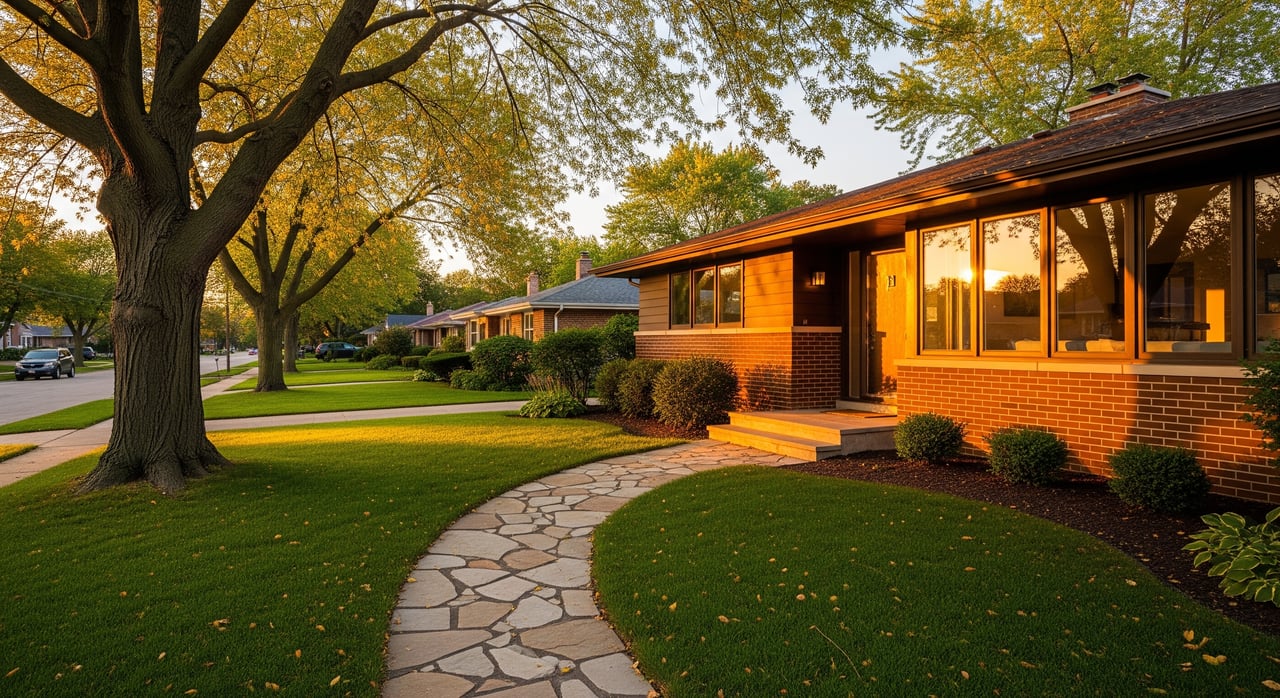
Is Skokie A Good Fit For Your Growing Family?
February 5, 2026
February 5, 2026
Wondering if Skokie gives you the suburban space you want without losing your Chicago connections? If you are juggling school research, commute math, and a growing need for bedrooms and a yard, you are not alone. In this guide, you will get a clear look at how Skokie stacks up for families, from schools and parks to housing, transit, and day‑to‑day logistics. Let’s dive in.
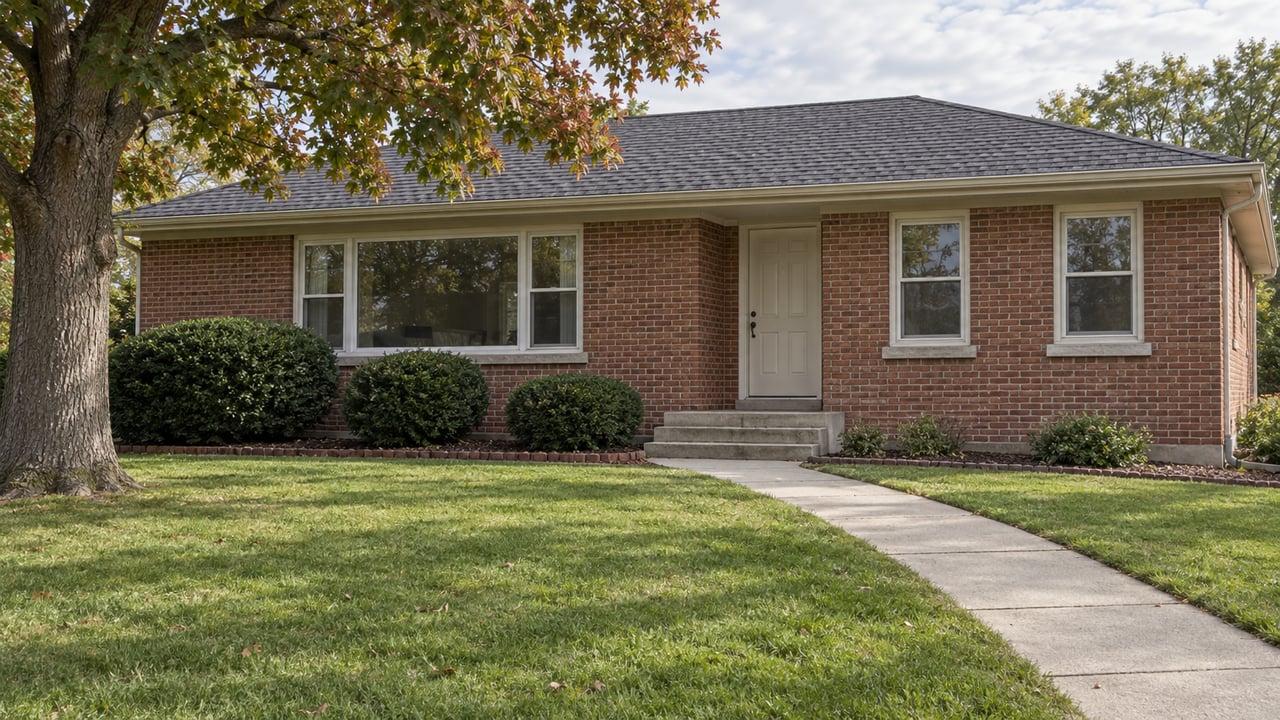
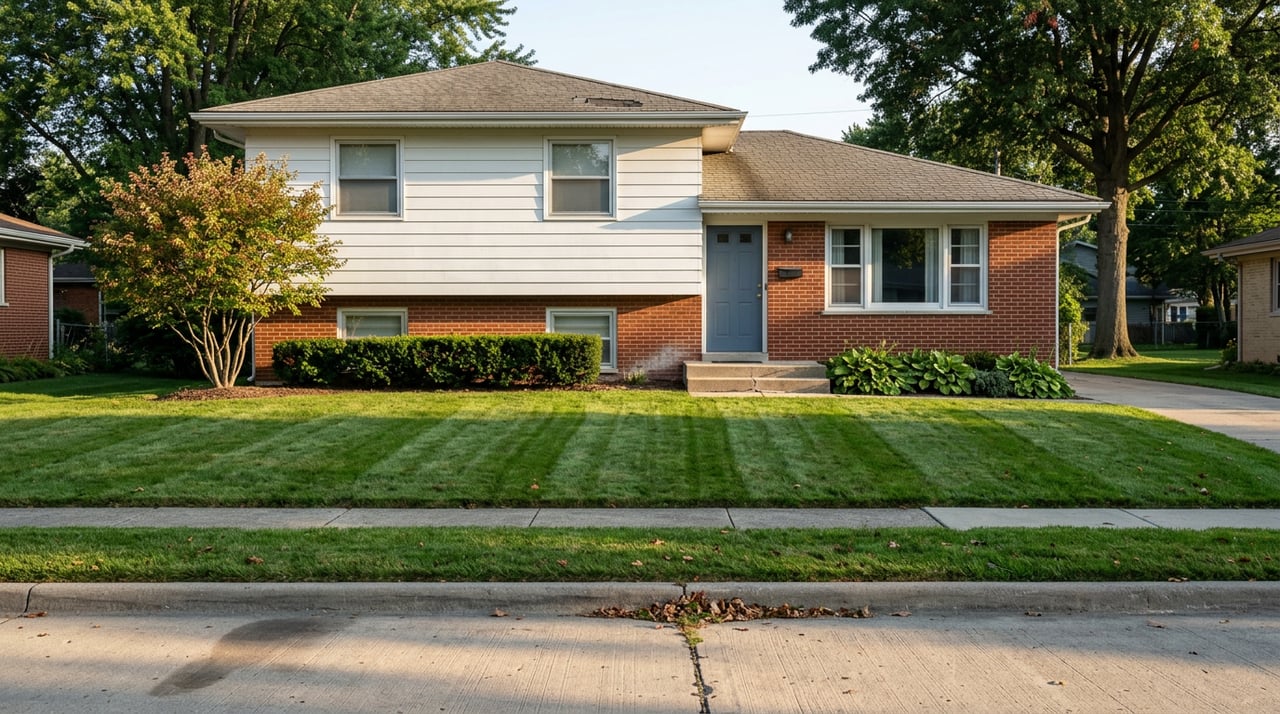
Skokie sits just northwest of Chicago’s border, which keeps you close to the city while offering a more suburban feel. You will find a mix of single‑family streets, condos and townhomes near transit, and commercial corridors with everyday services. Many families like the balance of backyard space, easy park access, and quick trips to city jobs and culture.
Skokie is known for cultural and religious diversity. That shows up in local schools, community centers, places of worship, and a wide range of food and retail options. Village amenities include an active park district, public libraries, health care providers, and family programs throughout the year. If you want variety and convenience, Skokie delivers both.
Public schools in Skokie are organized across several elementary and middle school districts, with high school students served by Niles Township High School District 219. Because school district and village boundaries do not perfectly match, the best approach is to verify the exact attendance zones for any address you are considering. A quick boundary check early in your search helps you compare like for like.
To evaluate options, combine objective data with firsthand impressions:
For younger kids, you will find licensed childcare centers, day schools, and preschool options in and around Skokie. The Skokie Park District and local districts often offer preschool and before or after school programs. Popular programs can have waitlists. Start your research early, compare hours and fees, and ask about registration timelines.
The Skokie Park District runs neighborhood parks, pools, athletic fields, and programs for kids of all ages. Think youth sports, summer camps, school‑day off programs, and preschool enrichment. The local libraries also host story times, homework help, and teen activities.
If you want bigger green spaces, you can reach nearby Cook County forest preserves in a short drive for biking, hiking, and nature time. Between village parks and regional preserves, you will have options for both quick playground trips and full weekend outings.
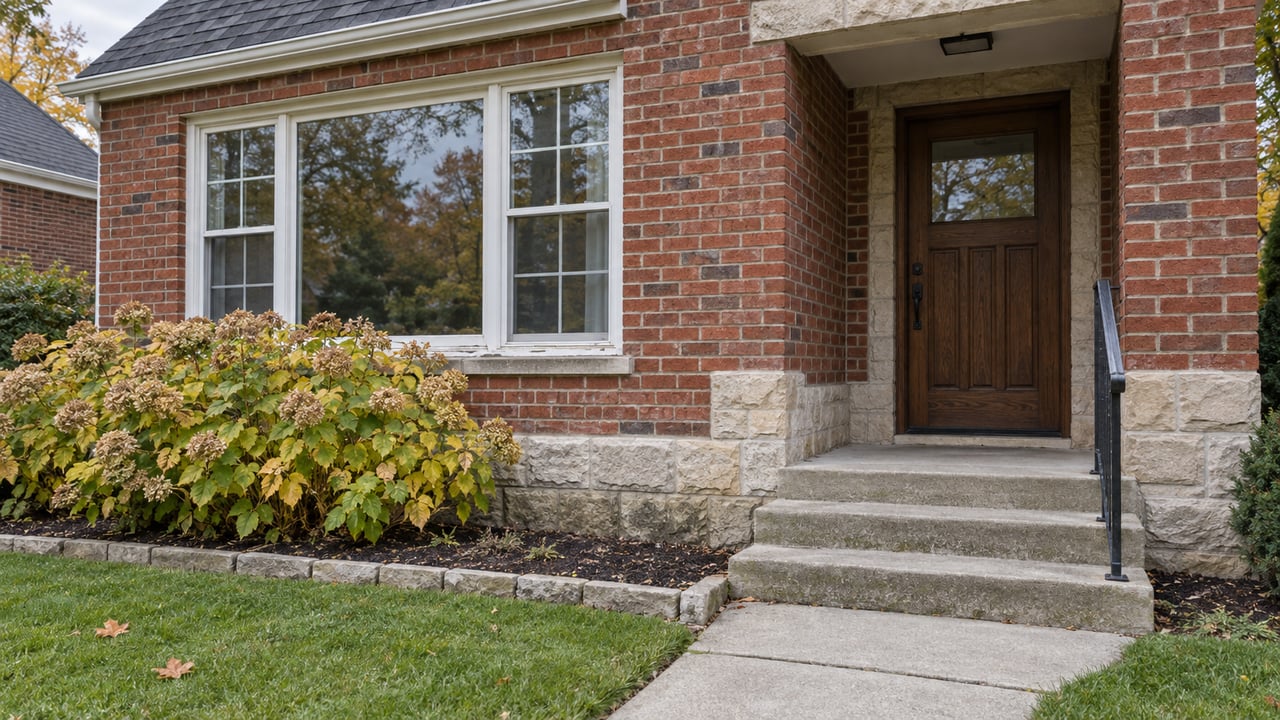
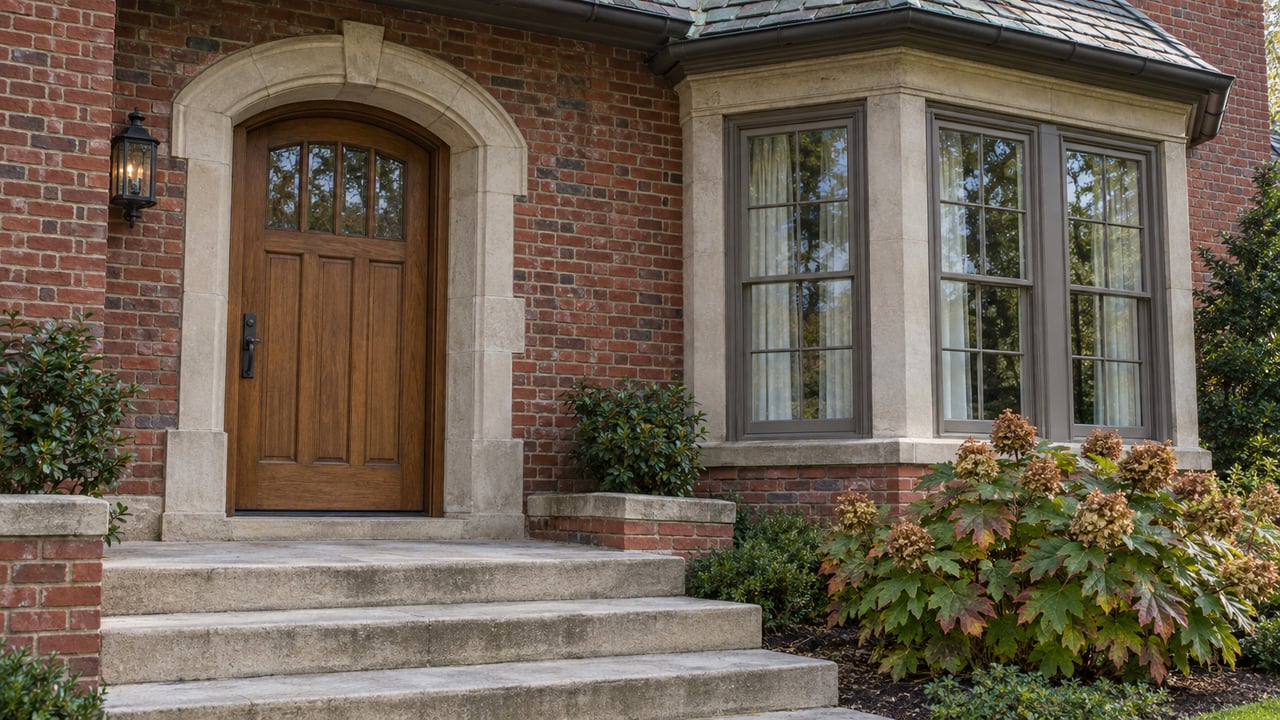
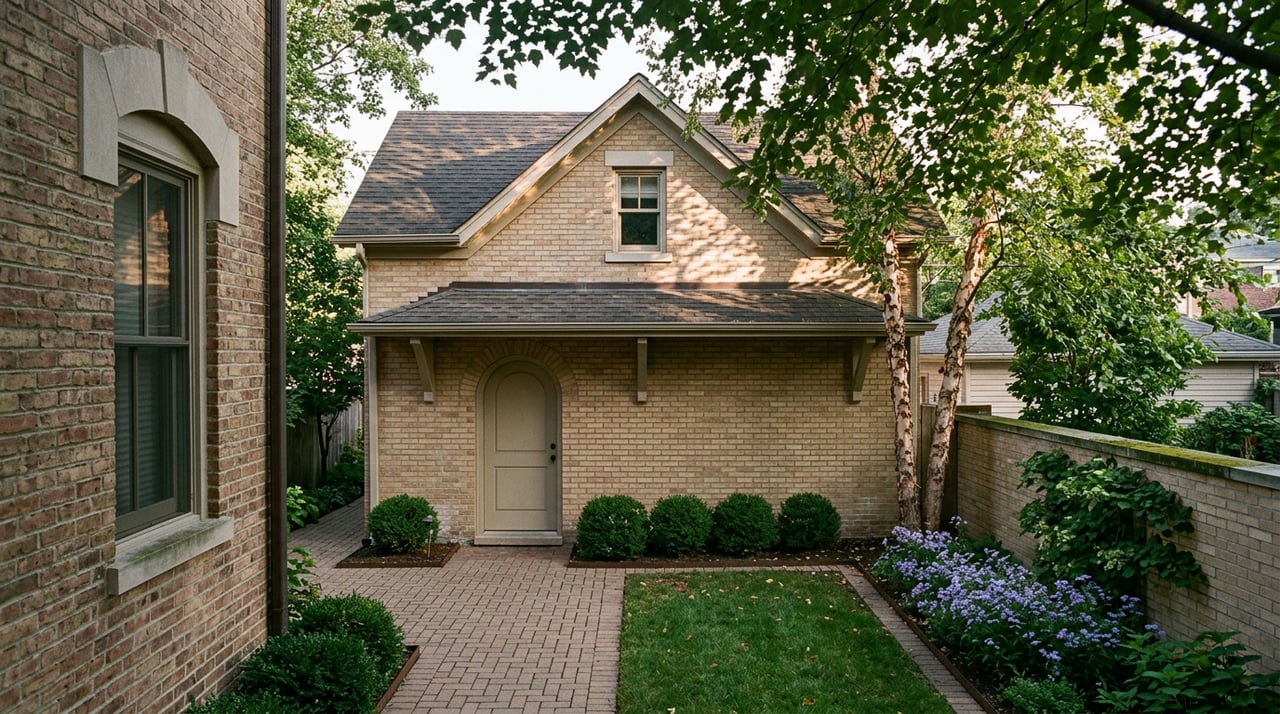
Skokie’s housing stock is diverse, which gives you flexibility across budgets and room needs.
In general, Skokie is more affordable than many North Shore suburbs and can be similar in cost to some North Side neighborhoods depending on location and housing type. Larger and recently renovated single‑family homes near desirable blocks tend to command a premium. Condos and smaller single‑family homes are common entry points.
Property taxes matter in your monthly budget. Cook County taxes and local levies can vary by property. The safest move is to review recent tax bills for each property and model total monthly costs, including mortgage, insurance, utilities, and any HOA or condo fees.
A quick cost checklist:
Resale value tends to follow a few consistent factors. Proximity to schools and parks, the condition of the home, and blocks with a stable single‑family character can help preserve value over time. Condo and multi‑unit markets can be more sensitive to broader market shifts, so pay attention to building health and reserves when you evaluate those options.
Many Skokie families choose the suburb for its access to Chicago and the region. The CTA Yellow Line connects Dempster‑Skokie to Howard, where you can transfer to the Red Line for trips downtown. Multiple CTA bus routes serve the village and nearby areas. While Skokie does not have a Metra station within most of the village, nearby stations in Evanston and Morton Grove are options for park‑and‑ride commuters.
Driving is straightforward with access to I‑94 and I‑294. Travel times to downtown vary by time of day, weather, and events. Transfers on transit can add time, so it helps to test your actual route during peak hours.
Commute tips for families:
Skokie’s crime profile is typically safer than big‑city averages, though patterns can vary by block. It is smart to review local police department crime maps and use neighborhood crime‑mapping tools for address‑level checks. This gives you a clearer picture of day‑to‑day conditions near a home you are considering.
Health care access is strong across Skokie and nearby suburbs. You will find pediatric practices, urgent care centers, and hospitals within a reasonable drive. If you have an established pediatrician, confirm whether the practice is accepting new patients and how scheduling works for same‑day needs.
When you compare Skokie to North Side Chicago neighborhoods like Edgewater, Rogers Park, or Uptown, you will notice tradeoffs. The city can offer more direct Red Line access and dense urban amenities. Skokie feels more suburban, with lower density and more backyard space. Prices can be comparable depending on the block and housing type. Condos in the city may be cheaper per square foot, while Skokie often provides more outdoor space.
Against North Shore suburbs such as Evanston, Wilmette, or Winnetka, Skokie often stands out on affordability and convenience. North Shore communities are known for highly rated school districts and larger lots, which can carry higher purchase prices and taxes. Skokie offers more diverse housing options, smaller lots on average, and a wide mix of commercial corridors. If you want suburban schools and quicker access to city services without top‑tier North Shore pricing, Skokie can be a smart middle ground.
Use this short list to move from browsing to a confident decision:
If you want a suburban home close to Chicago, with diverse community life, solid park and library programming, and a range of housing options, Skokie deserves a spot on your shortlist. The commute is workable for many families, especially with the Yellow Line connection and easy access to expressways. Your decision will likely come down to the right school zones, commute tradeoffs, and whether you prefer a larger yard or easier access to transit and retail.
When you are ready to compare blocks, test commutes, and evaluate property tax impacts, we can help you plan the process and move with confidence. Reach out to the team at Chicagoland Real Estate Advisors for local guidance and a tailored game plan.
Stay up to date on the latest real estate trends.