Investing In Crystal Lake Rentals: Yields, Turnover, Strategy
April 2, 2026
April 2, 2026
If you are looking at Crystal Lake rentals, the headline numbers can be tempting. Rents for houses can look strong, homes can go pending quickly, and the city’s housing mix gives investors a very specific suburban playbook. The key is knowing how to turn those broad signals into a property-level strategy that actually holds up. Let’s dive in.
Crystal Lake is not a one-size-fits-all rental market. According to the latest CMAP community data snapshot, the city has 14,917 occupied housing units, with 3,275 renter-occupied units, or 22.0% of the total. That points to a meaningful renter base, but not a renter-dominated market.
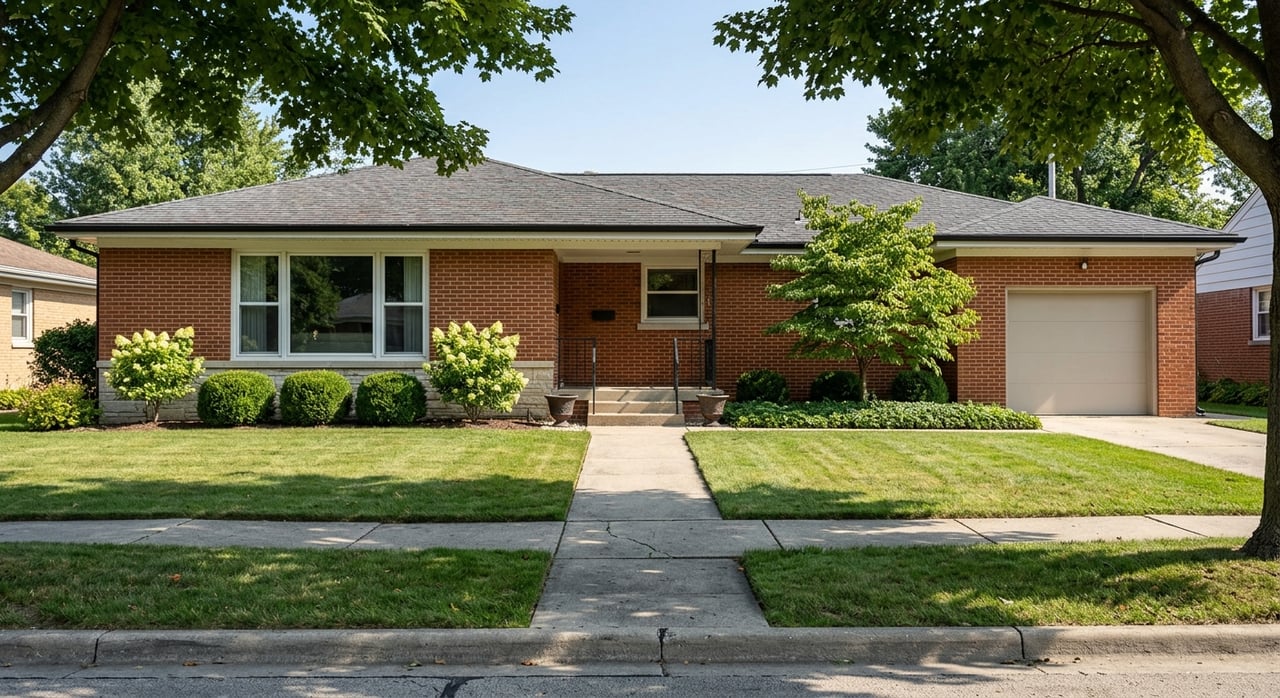
The housing stock matters just as much as the renter share. Detached single-family homes make up 67.6% of the housing stock, while smaller multifamily properties are a much smaller slice. For you as an investor, that suggests Crystal Lake is best understood as a suburban rental market where single-family homes and larger family-sized units often lead the conversation.
The city’s demographics support a longer-term rental profile rather than a short-stay model. Census Reporter data shows a population of 40,579, a median age of 39.3, median household income of $108,418, and a mean commute time of 29.3 minutes. Those are useful signs of a commuter-oriented suburb with established households.
Vehicle ownership also stands out. Nearly half of households have two vehicles, 19.0% have three or more, and only 3.5% have no vehicle available. In practical terms, many renters here are likely looking for parking, storage, and functional layouts, which often makes detached homes, townhomes, and larger units especially relevant.
One of the biggest mistakes investors make is treating one portal’s rent estimate as the answer. In Crystal Lake, the smarter move is to underwrite from a range, not a single number.
Apartment rent trend data from Apartments.com shows an average rent of $1,787, with studios around $1,669, one-bedrooms around $1,787, and two-bedrooms around $2,073. The research also notes broader portal data showing a city average closer to $2,350, with apartments around $2,166, townhomes around $2,600, and houses around $3,000.
That spread is not noise. It reflects a market where property type can change the math quickly. A dated apartment and a well-presented detached house should not be expected to perform the same way, even if they sit in the same city.
Gross yield can help you screen deals, but it should never be the final answer. The clean way to use it is as a first pass before you dig into taxes, insurance, financing, repairs, and vacancy.
The city’s median owner-occupied home value is $311,400, while the current Zillow home value index cited in the research is $367,174. Using the current house-rent range for a three-bedroom rental, that implies a rough gross annual yield of about 8.3% to 13.1% before expenses. That is attractive enough to merit attention, but broad enough to remind you that execution matters.
Here is the better framework for evaluating any Crystal Lake rental:
If you skip steps in the middle, you can end up buying a property that looks good on paper but performs poorly in real life.
In Crystal Lake, your strategy should match the housing stock. Because detached single-family homes dominate the market, investors often have more opportunity to compete on house quality, layout, and condition than on large-scale apartment efficiencies.
That can be a plus if you want to target renters who need more bedrooms, yard space, or a garage. It can also mean your turnover costs and maintenance profile look different than they would in a newer apartment-heavy submarket. Older suburban homes can rent well, but only if you budget realistically for upkeep.
Vacancy may look tight at the city level, but that does not mean every property leases itself. The same CMAP snapshot shows a citywide vacancy rate of 3.1%, which suggests relatively limited slack in the broader housing stock. Still, active repricing in rental portals means stale listings can lose momentum fast.
This is where turnover strategy becomes part of your return strategy. In an older, detached-home market, you often get better results from fast, focused make-ready work than from over-improving. The goal is not luxury for luxury’s sake. The goal is clean, functional, compliant, and photo-ready.
For many Crystal Lake rentals, the most useful turn items include:
A well-presented home can protect your rent level and shorten days on market. A neglected home may force price cuts that cost more than the original repairs would have.
The median year built in Crystal Lake is 1986, based on the CMAP snapshot. That is old enough for condition and systems to matter, but not so old that every property should be assumed to need a full gut rehab.
For you, that means acquisition due diligence should focus on practical items. Think roof life, windows, HVAC condition, siding, driveways, decks, drainage, and cosmetic wear. Those details influence not only your first-year repair budget, but also how quickly you can get the property market-ready after closing or move-out.
Crystal Lake’s local property standards matter during ownership and during turnover. The city’s property maintenance guidance states that grass and weeds must remain under eight inches, outdoor storage must be neat and kept out of the front yard and away from lot lines, and inoperable or unlicensed vehicles may not be parked, kept, or stored on a property. RV, boat, and trailer parking also has restrictions.
Those may sound like small details, but they can affect marketing, compliance, and tenant communication. A rental that looks disorderly from the street can hurt leasing velocity even before a prospect steps inside.
Turnover work can also trigger permits. The city notes that residential permits are required for items such as windows, roofing, siding, fences, decks, patios, HVAC and air conditioning, driveways, sheds, and pools. Residential permit reviews are processed within 10 working days or less, according to the same city guidance.
That timeline is important for investors. If your leasing plan assumes a two-week turn but your scope includes permit-required work, your calendar and carrying costs can shift quickly.
If you are considering a short-term rental angle, do not assume it works like a standard long-term lease. Crystal Lake treats short-term rentals as a separate use. The city currently requires a limited use permit, a 7% local occupancy tax, compliance with applicable zoning districts, and a life-safety inspection before operation, according to the city’s short-term rental rules.
Tourist homes are also limited to stays of at least 24 hours and a maximum of five bedrooms. For many investors, that makes the cleaner path a traditional long-term rental strategy unless a property clearly fits the short-term rules and economics.
If you want a simple takeaway, it is this: Crystal Lake looks strongest as a long-term suburban rental market where family-sized homes can produce solid rent, but only when the deal is underwritten carefully. Broad rent ranges can support good gross yields, yet your real result depends on purchase price, property taxes, financing, repair scope, and how efficiently you handle turnover.
That is why local execution matters as much as market data. Before you buy, it helps to verify true rent comps by property type, identify improvements that may trigger permits, and line up trusted vendors so the property can be shown quickly after move-out. That kind of planning can protect both your cash flow and your time.
If you are weighing a Crystal Lake rental purchase or deciding how to position an existing property, Chicagoland Real Estate Advisors can help you evaluate rent potential, compare property types, and build a practical acquisition and leasing strategy with local insight.
Stay up to date on the latest real estate trends.