Torn between the charm of a Skokie bungalow and the ease of a mid century ranch? You are not alone. Both styles show up often in Skokie and each offers a distinct daily feel, renovation path, and budget profile. In this guide, you will learn how these homes differ, what to look for during inspections, and how to plan your budget with confidence. Let’s dive in.
Quick snapshot: bungalow vs ranch
Bungalows at a glance
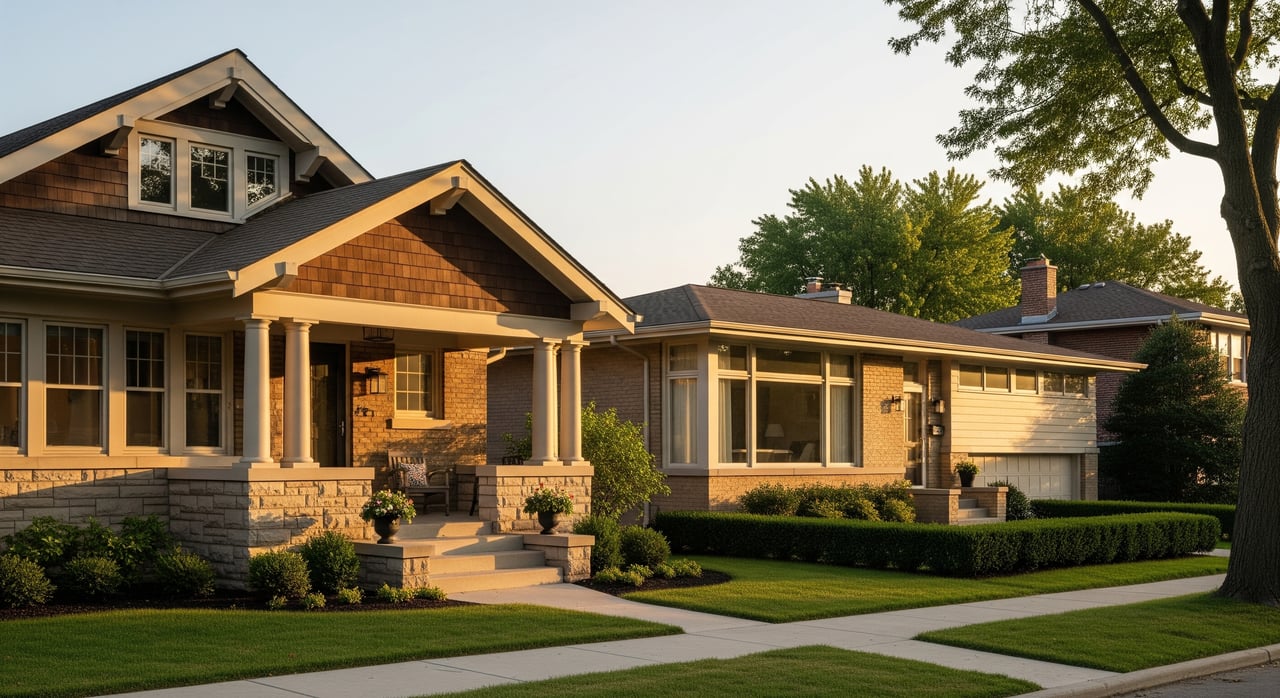
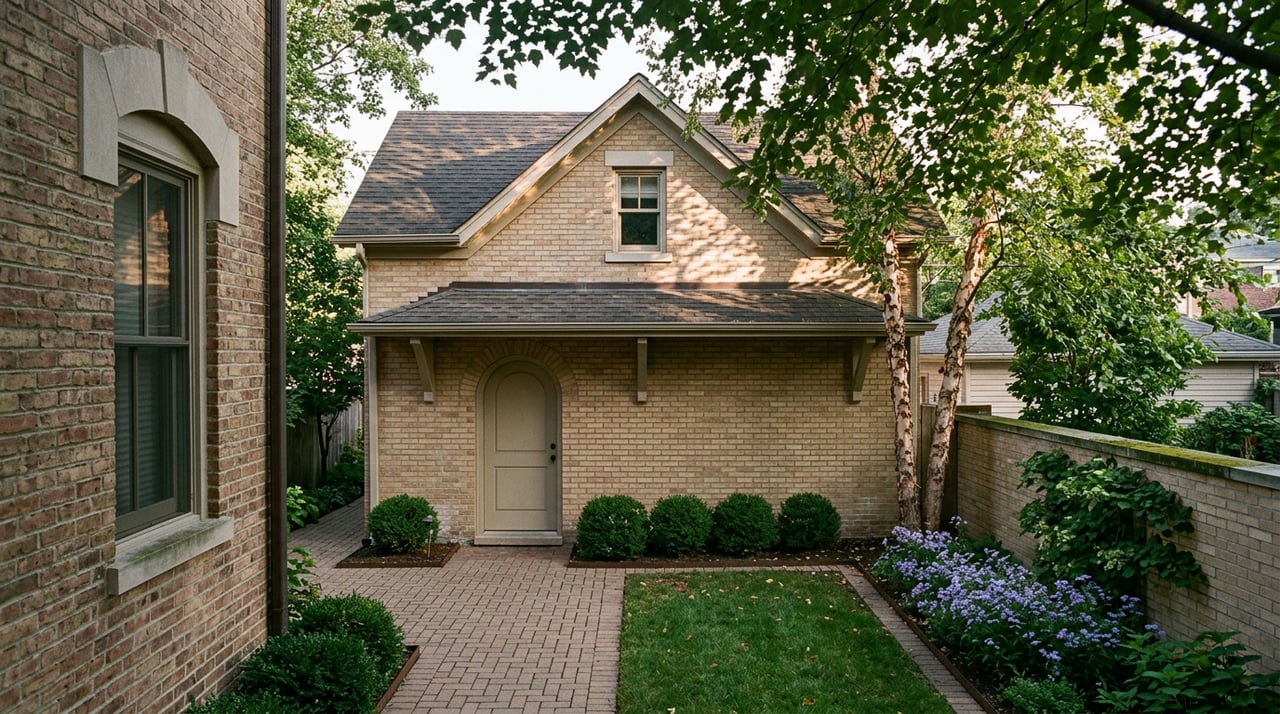
Bungalows in Skokie generally date to the 1910s through the 1930s. Many are compact 1 to 1.5 story homes with brick or stucco facades, low pitched roofs, and front porches or enclosed sunrooms. Inside, you often find a formal front living area with original millwork, hardwood floors, and 2 to 3 bedrooms on the main level.
Rooms in bungalows tend to be more compartmentalized with short hallways. Many include a full basement for laundry, utilities, storage, and potential living space. For a deeper overview of typical features, the Chicago Bungalow Association explains common bungalow details.
Ranches at a glance
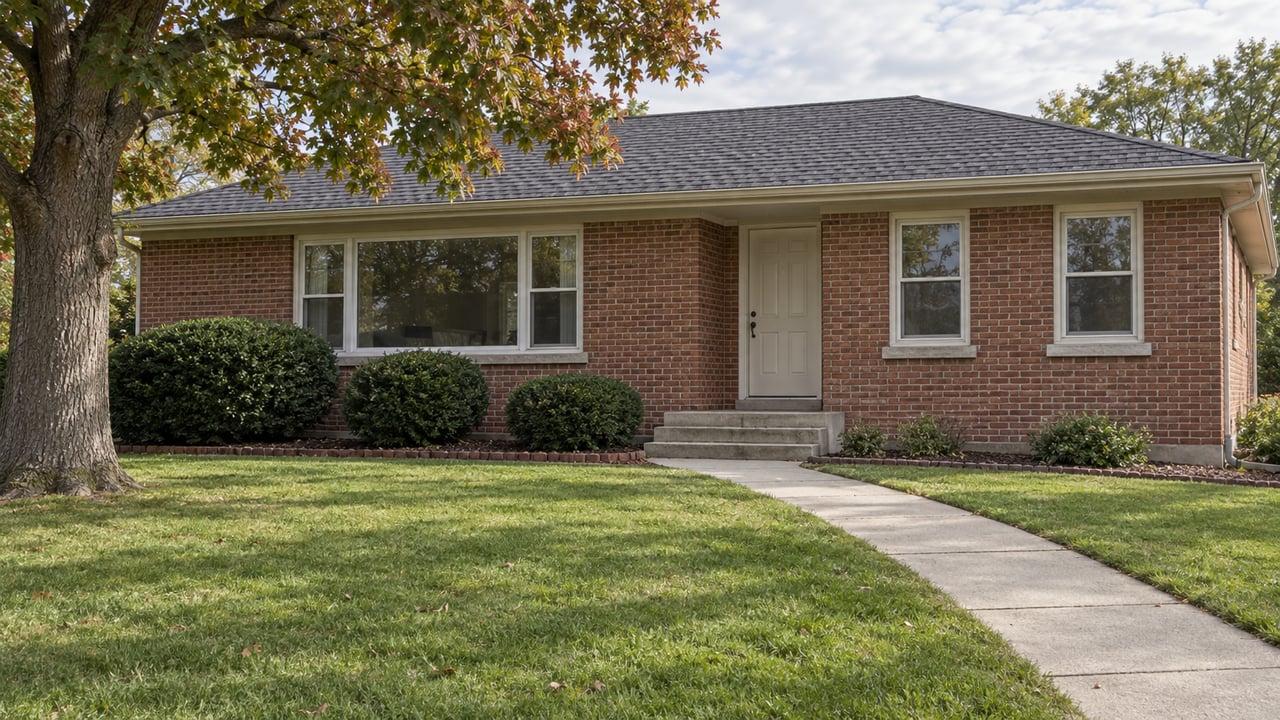
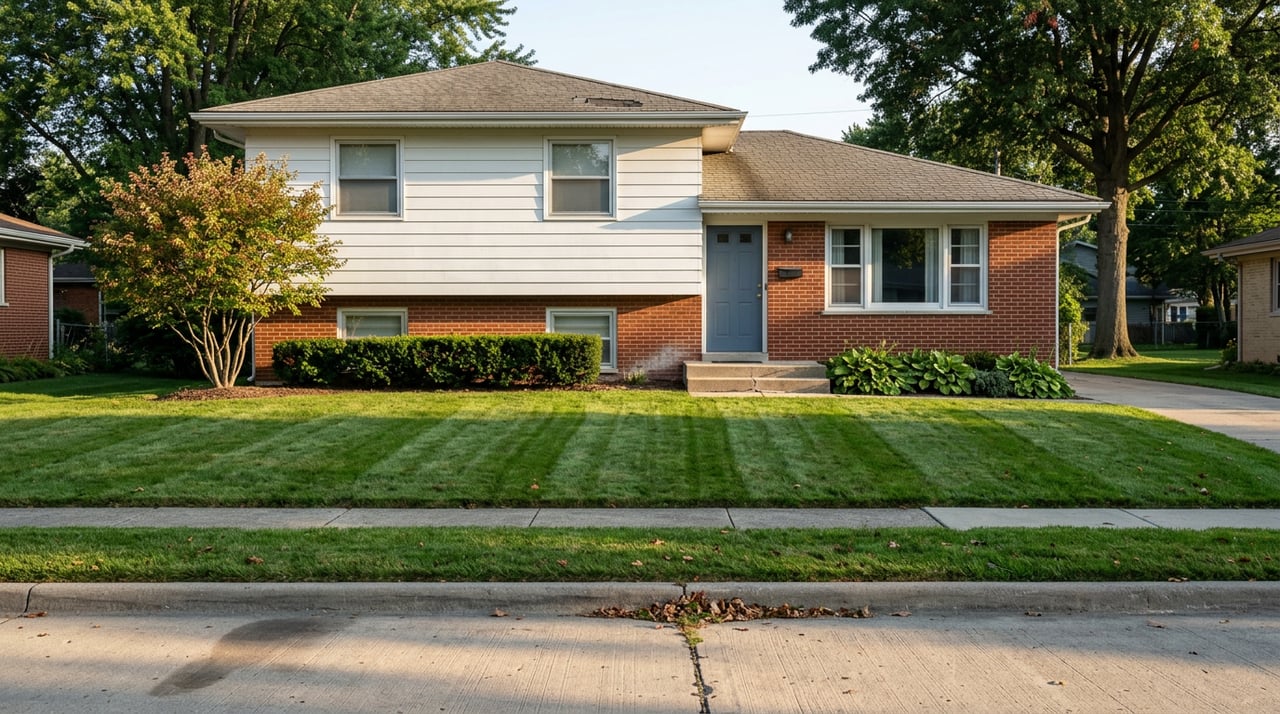
Skokie’s ranch and split level homes are primarily postwar builds from the 1940s through the 1960s. These homes typically have a wider, single story footprint, larger window banks, and an emphasis on indoor to outdoor flow. Attached garages are common.
Ranches often feature more open circulation and larger gathering spaces. Bedrooms are usually grouped on one side of the plan. Many Chicago area ranches also include full basements, which makes finished lower level space a real option.
How each style lives day to day
Space and flow
- Bungalow: More defined rooms can make spaces feel cozy and private. If you value a quiet office or reading nook, the traditional layout helps.
- Ranch: Wider, open flow makes it easy to host and keep an eye on activity from the kitchen to family room.
Stairs and accessibility
- Bungalow: Main level living covers most daily needs, but you may have steps to the front door and interior stairs to a basement or half story.
- Ranch: True single level living is the headline. This often makes accessibility updates more straightforward.
Storage and expansion
- Bungalow: Basements are common and can add substantial usable space with the right finish. The smaller main footprint can limit horizontal additions.
- Ranch: You often have more width to work with, plus an attached garage that can be reimagined. Roof spans and longer systems can increase project costs.
Lot and neighborhood factors in Skokie
Lot size and orientation
Older bungalow blocks typically sit on narrower frontages with shallower rear yards. Postwar ranch areas often have wider or deeper lots with larger backyards. Before you assume expansion potential, confirm lot dimensions and year built using the Cook County Assessor’s parcel search.
Streetscape and walkability
Bungalows tend to cluster in older, more walkable areas that are near transit corridors and commercial nodes. Ranches are more common in car oriented mid century subdivisions where attached garages and larger yards are standard. Your lifestyle will guide the choice. If you want short walks to shops and transit, explore bungalow neighborhoods. If you prioritize an attached garage and more backyard, ranch areas may fit better.
Zoning and permits
If you are considering porch enclosures, dormers, garage conversions, or additions, review the Village’s rules early. The Village of Skokie’s Building and Neighborhood Services pages outline permits, zoning, setbacks, and any design review that may apply.
Inspection priorities you should not skip
Every older home deserves a thorough inspection. Use licensed inspectors, and lean on national standards for scope and reporting. You can review general consumer guidance from the American Society of Home Inspectors and detailed checklists from the International Association of Certified Home Inspectors.
Core checks for both styles
- Roofing age and condition, including flashing and any leak history.
- Foundation and structure, watching for cracks, settlement, and water intrusion.
- Drainage and grading so water moves away from the house.
- Mechanical systems: furnace, AC, water heater, and electrical panel age and service life.
- Potential environmental issues in pre 1978 homes, including lead based paint and asbestos in original materials. The U.S. Environmental Protection Agency provides consumer guidance on testing and mitigation.
- Radon testing. The EPA recommends testing in Cook County and mitigation may be necessary.
- Plumbing materials, especially galvanized supply and cast iron sewer lines that may need replacement.
- Insulation and energy efficiency, which can lag in older walls and attics.
Bungalow specific watch items
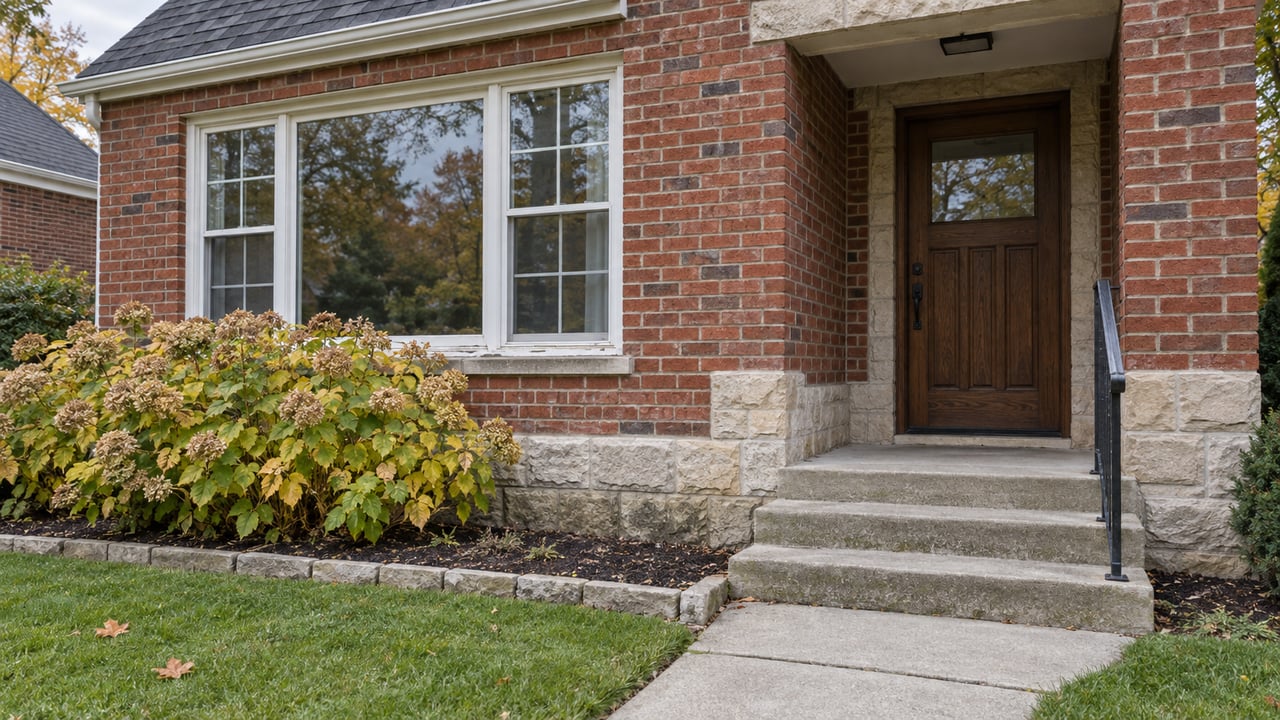
- Porch or stoop settlement, especially where porches were enclosed later.
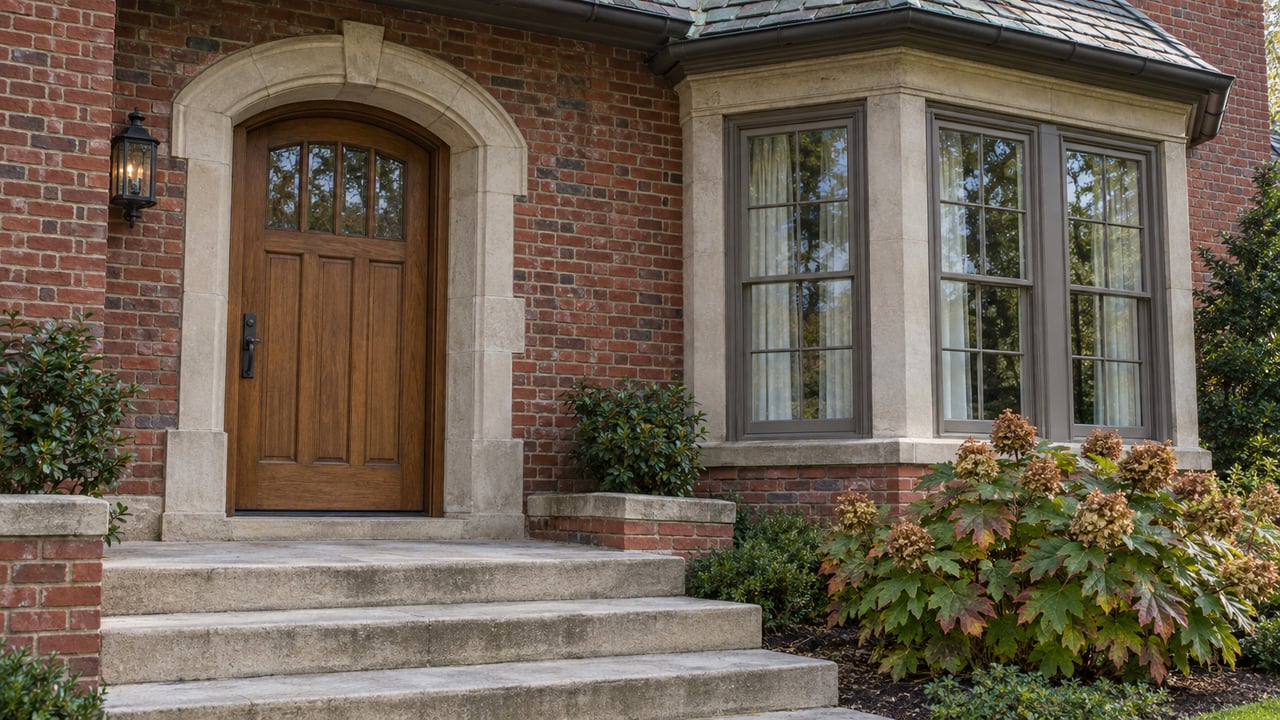
- Chimney and exterior masonry condition.
- Original plaster, older insulation, or legacy wiring in the oldest examples.
Ranch specific watch items
- Long roof runs and valleys that can hide leak points.
- Attached garage foundations and shared walls for moisture and settlement.
- Slab on grade sections on some ranch variants and how that affects drainage or future basement plans.
Renovation potential and cost drivers
Bungalows: strengths and constraints
- Strengths: Efficient plans are often easier to renovate in phases. Many basements are usable and can be finished to add living area without changing the exterior. Some porches and attic spaces can be converted.
- Constraints: Smaller footprints limit horizontal expansion. Full second story additions are complex and can trigger stricter zoning compliance.
Ranches: strengths and constraints
- Strengths: Single level layouts simplify accessibility upgrades. Attached garages often enable creative re use. Roof forms can allow dormers or limited upper level space depending on structure.
- Constraints: Larger roof spans and longer runs of gutters, ducts, and utilities can drive higher project costs. Slab sections or split level foundations may complicate changes.
Typical hidden costs to budget
- Full HVAC replacements and electrical panel upgrades.
- Sewer lateral or cast iron sanitary replacements if the lines are failing.
- Lead paint remediation in pre 1978 homes and related compliance steps.
- Permitting, design, and potential variance costs for additions or major exterior changes.
Before you plan a project scope or assume a certain addition will fit, verify lot dimensions, setbacks, and year built details through the Cook County Assessor and confirm permit requirements with the Village of Skokie.
Budget and price research in Skokie
How to research price bands
Start with recent local sales. A local MLS search through your agent will be the most accurate way to compare by age, style, size, and neighborhood. Add public records for cross checks using the Cook County Assessor’s property data. Look closely at sold price, square footage, lot size, bedroom and bath count, finished basement area, attached garage, and renovation level.
What drives value in each style
- Renovation level. Updated kitchens, baths, systems, and finished basements drive higher prices in both styles.
- Lot and yard size. Larger backyards and attached parking often add value.
- Character and layout. Preserved bungalow details appeal to buyers who love original charm. Open plan ranches appeal to buyers who want single level living.
- Location features. Proximity to transit, everyday amenities, parks, and schools influences demand for both styles.
Renovate or buy up
For smaller projects like paint, flooring, or a modest kitchen refresh, review neighborhood solds to understand the price ceiling. For structural work or major system replacements, budget those items separately since they can shift appraisal outcomes. When in doubt, compare recent 90 day sales of similarly sized homes by style and condition to see whether renovating your target or buying a more updated option makes better financial sense.
Side by side buyer checklist
Use this quick list for any Skokie bungalow or ranch you are considering:
- Confirm year built and lot dimensions with the Cook County Assessor.
- Review permit history and zoning constraints through the Village of Skokie.
- Order a full home inspection, plus style specific checks like chimney and masonry, roof valleys, slab versus full basement, sewer lateral, and tests for lead and radon.
- Estimate 2 to 5 year capital needs for roof, HVAC, water heater, electrical panel, sewer, and any basement waterproofing.
- Compare usable living area, not just the footprint. A bungalow with a finished basement may surpass an unrenovated ranch in total livable space.
- Weigh lifestyle. Single level living versus stairs, walkability, yard size, and garage needs.
Which one fits your lifestyle?
If you want a classic look, walkable blocks, and the option to finish a basement for extra space, a bungalow may be your fit. If you prefer one level living, an attached garage, and a larger yard, a ranch may be the better match. Ground your choice in verified parcel data, a thorough inspection, and a clear project budget.
When you are ready to compare real listings and run sold comps, work with a local team that coordinates inspectors, lenders, contractors, and attorneys so your move feels simple. Reach out to Chicagoland Real Estate Advisors to plan your search, analyze renovation options, and move forward with confidence.
FAQs
What is the main difference between a Skokie bungalow and a ranch?
- Bungalows are early 20th century homes with compact, more compartmentalized layouts, while ranches are mid century, single story homes with wider footprints and more open circulation.
How do Skokie lot sizes compare for bungalows vs ranches?
- Older bungalow blocks often have narrower, shallower lots, while postwar ranch areas commonly feature wider or deeper lots with larger backyards. Verify each parcel through the Cook County Assessor.
What inspections matter most for older Skokie homes?
- Roof, foundation, drainage, mechanical systems, plumbing, electrical, and tests for lead based paint and radon. Use guidance from ASHI and InterNACHI, and review consumer info from the EPA.
How do permits work for remodeling in Skokie?
- Most additions, structural changes, and porch enclosures require permits and must meet setbacks and zoning. Check rules and processes with the Village of Skokie.
Should I test for lead paint and radon in Skokie homes?
- Yes, especially in pre 1978 homes. The EPA recommends testing for radon and provides guidance on lead based paint and mitigation steps.