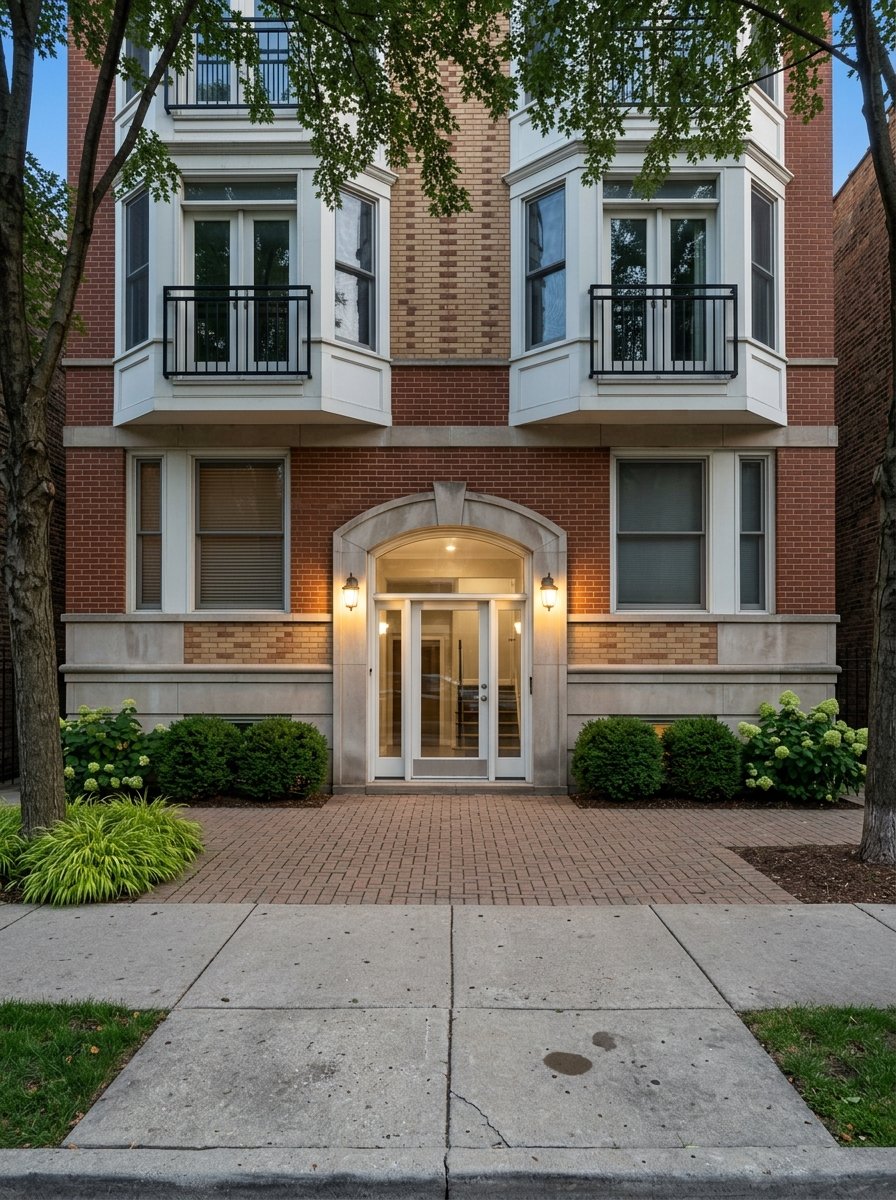
Downsizing To Highland Park Condos And Townhomes
May 21, 2026
May 21, 2026
Thinking about leaving a larger house behind, but not ready to give up convenience, comfort, or Highland Park itself? You are not alone. Downsizing in Highland Park can be a smart next move, but it works best when you understand how different the condo and townhome options can be, from location and walkability to HOA costs and upkeep. This guide will help you sort through the tradeoffs, ask better questions, and make a plan that fits your next chapter. Let’s dive in.
Highland Park offers a mix that appeals to many downsizers: a primarily residential setting, access to Lake Michigan, established shopping areas, and commuter rail service. The city has an estimated 30,794 residents in 2024, and while it is not uniformly walkable, it does have several concentrated pockets where errands and dining are easier to reach on foot.
That matters if you want a simpler lifestyle after moving from a larger home. Instead of maintaining extra square footage and a big yard, you may be able to focus on a home base that keeps you closer to the places you use most.
One of the biggest misconceptions about downsizing is that every condo or townhome will automatically deliver a walkable lifestyle. In Highland Park, that is not the case. Redfin gives the city a Walk Score of 42, which means your day-to-day convenience will depend heavily on the specific building or development you choose.
If walkability is high on your list, downtown-adjacent areas are usually the first places to study. The city parking map shows the central business district centered around areas near Second Street, Green Bay Road, Elm Place, Laurel Avenue, and the Metra stations, which gives you a practical clue about where errands, dining, and transit are more concentrated.
In Highland Park, downsizing inventory tends to be limited. Recent public listing snapshots showed 7 condos for sale on Redfin and 2 townhomes for sale on Realtor.com. That is a small pool, which means the right fit may take patience.
It also means you should not think of the market as one standard product type. Public examples range from homes built in 1978 to 2007, and they come with very different layouts, amenities, and monthly fees.
Recent examples show just how broad the range can be:
The key takeaway is simple: in Highland Park, your downsizing choice is often less about condo versus townhome and more about building era, maintenance model, amenities, and monthly carrying costs.
A successful downsize usually starts with clarity. Before you tour properties, think about what you actually want less of and what you still want to keep.
For many homeowners, the goal is not just smaller square footage. It is less exterior maintenance, fewer stairs, easier winter living, proximity to transit or downtown, or better lock-and-leave flexibility.
Ask yourself:
When you answer these questions first, you can narrow your search faster and avoid looking at homes that do not match your real goals.
If you want to stay connected to Chicago or simply value commuter rail convenience, Highland Park has strong transit access for a suburb. The Highland Park Metra station at 1700 St. Johns Ave has 462 parking spaces and connects to Pace routes 213, 471, and 472. The Braeside station at 10 N. St. Johns Ave has 141 parking spaces and access to Pace route 213.
For downsizers, transit can matter even if you no longer commute every day. It gives you options for city visits, events, and easier travel without always relying on driving.
Highland Park’s lakefront is one of its biggest lifestyle draws. The Park District of Highland Park manages more than 800 acres and 44 park areas, offers 15 miles of walking and biking paths, and maintains four public beaches. The district also notes that ten percent of Illinois’ Lake Michigan shoreline is within Highland Park.
If your next move is partly about lifestyle, this can be a meaningful advantage. You may be able to trade lawn work and larger-home upkeep for more time outdoors near trails, parks, and the shoreline.
Lakefront living and beach access are not exactly the same thing. Rosewood Beach is the city’s designated swimming beach with lifeguards on duty from Memorial Day weekend through Labor Day, but it requires a season pass or daily ticket. Millard Beach requires a lakefront parking decal.
That is an important detail when comparing homes, especially if a listing markets a lakefront or near-lake lifestyle. Make sure you understand what access looks like in practice.
One of the most important parts of downsizing in Highland Park is understanding HOA costs. Public listing examples show monthly dues ranging from about $361 to $1,540, depending on the building, location, and amenities.
That gap is significant. A lower purchase price with high dues may affect your monthly budget just as much as a higher mortgage payment would.
In Illinois, condominium and common interest community purchases come with detailed disclosure requirements. For condos, the Illinois Condominium Property Act requires sellers, on demand, to provide key documents such as the declaration, bylaws, rules, unpaid assessment information, anticipated capital expenditures for the next two fiscal years, reserve-fund status, financial statements, pending suits or judgments, insurance coverage, and more.
For townhomes in common interest communities, the Illinois Common Interest Community Association Act requires a similar resale disclosure package. That means a townhome is not automatically a simpler ownership structure just because it looks more like a house.
As you compare properties, ask:
These questions matter because the monthly fee alone does not tell you whether an association is financially healthy. Annual budgets are required to include reasonable reserves for capital expenditures and deferred maintenance, so reserve strength can be just as important as the dues amount.
Both property types can work well, but they often serve different priorities.
A condo may be a better fit if you want:
A townhome may be a better fit if you want:
The right answer depends on your priorities, not just the label. In Highland Park, that distinction is especially important because available homes span different eras and association models.
For many downsizers, the hardest part is not choosing the home. It is coordinating the sale of the current house with the purchase of the next one.
A practical sequence is to choose your target building or community type first, set a comfortable HOA ceiling, get preapproved, and then decide whether your approach is sale-first, contingent, or bridge-financed. Once that plan is clear, it becomes easier to line up listing timing, offer strategy, and closing dates.
Before shopping, it helps to know your full monthly comfort zone. In a condo or townhome purchase, your real housing cost is not just principal and interest. It may also include property taxes, insurance, HOA dues, and closing costs.
Because Highland Park HOA fees can vary so much from one property to another, you should budget based on the full ownership cost, not just the list price.
A good downsizing move is not about settling for less. It is about choosing a home that supports how you want to live now. In Highland Park, that might mean a downtown-adjacent condo near Metra, a lakefront building with amenities, or a townhome community that reduces exterior upkeep while keeping some of the feel of a traditional house.
The best results usually come from comparing homes through a practical lens: monthly cost, maintenance responsibility, location, access, and association health. When you do that, you can move with more confidence and fewer surprises.
If you are weighing a move in Highland Park, Chicagoland Real Estate Advisors can help you map out the timing, compare condo and townhome options, and make a plan that fits your goals.
Stay up to date on the latest real estate trends.