How to Evaluate a Skokie Multi Unit Investment
June 11, 2026
June 11, 2026
Thinking about buying your first multi-unit property in Skokie? You are not alone. For many new investors, a small multifamily building feels like the right next step because it can offer rental income, long-term equity growth, and a way to learn the business on a manageable scale. The key is knowing where the numbers, local rules, and property type all come together. This guide will help you understand what to watch for in Skokie so you can move forward with more clarity and confidence. Let’s dive in.
Skokie offers a different entry point than some nearby rental markets. According to 2024 ACS estimates, the village has 24,623 housing units, and Census QuickFacts reports a median gross rent of $1,552 and a median owner-occupied home value of $387,200. For a new investor, that combination can make Skokie worth a closer look if you want a suburban market with an established housing base.
The local rental inventory is meaningful, but it is not unlimited. The Village of Skokie says there are about 1,200 apartment buildings with 5,000 rental units, plus roughly 1,500 rented houses, duplexes, and townhomes. That matters because in a smaller rental pool, each vacancy can have a bigger effect on your monthly cash flow.
As of May 2026, average asking rents in Skokie were reported at $1,357 for a studio, $1,764 for a one-bedroom, $2,202 for a two-bedroom, and $3,870 for a three-bedroom apartment. The same data shows rents increased 2.1% over the past year. That points to a market with active rental demand and modest recent rent growth.
Compared with nearby markets, Skokie may offer a somewhat lower-cost entry point. Reported asking rents in Evanston and Lincolnwood are higher for one- and two-bedroom units. For a first-time investor, that can mean a chance to buy into a nearby suburban rental market without starting at the same rent and pricing levels found in neighboring communities.
Vacancy is one of the biggest numbers to watch in a small multifamily deal. In 2023, Skokie’s rental vacancy rate was listed at 3.9%, down from 10.2% in 2013. That lower vacancy rate can be encouraging, but it does not remove the need for careful planning.
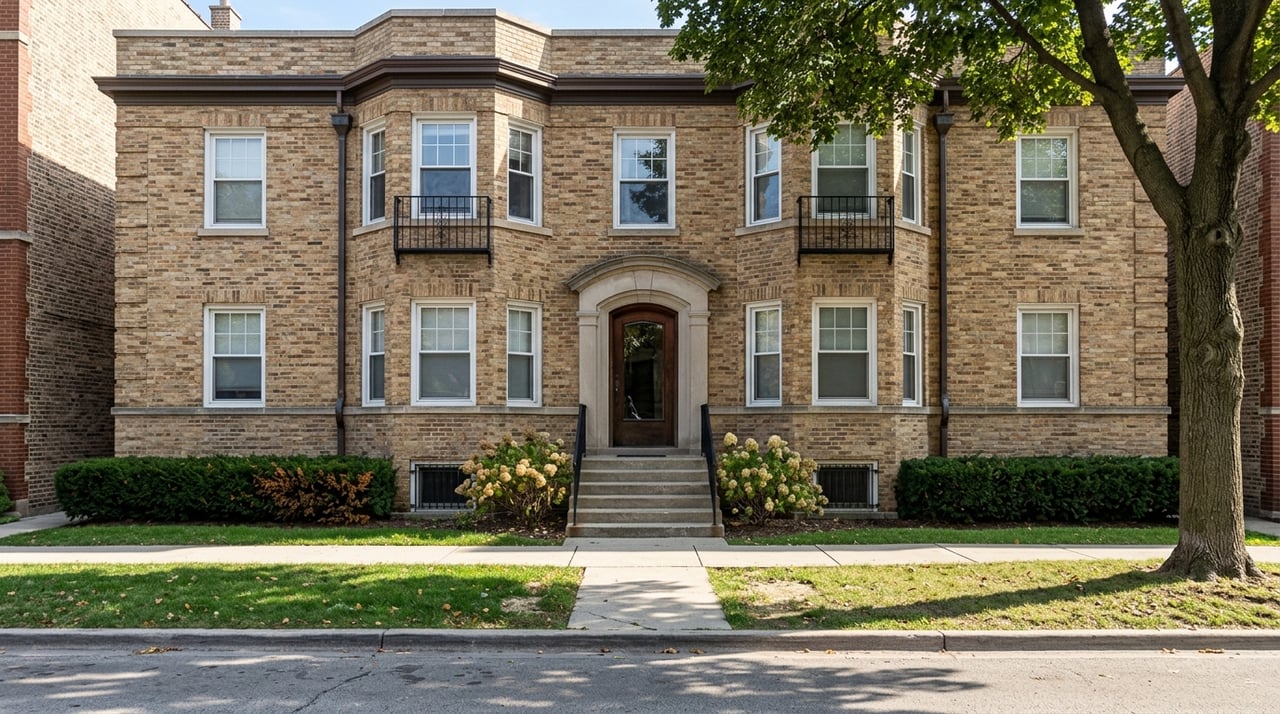
If you own a two-flat, three-flat, or small mixed-use building, even one empty unit can change your monthly results fast. That is why new investors should underwrite conservatively. It is smart to assume some downtime between tenants, along with repair and turnover costs.
Not every part of Skokie will offer the same type of opportunity. The village notes that zoning controls what can be built and also regulates density, setbacks, parking, landscaping, and height. Skokie’s land-use plan also identifies downtown core mixed-use, transit-oriented mixed-use, neighborhood mixed-use, multifamily housing, and combined housing areas.
For you as a buyer, that suggests opportunity may be more corridor-based and transit-oriented rather than spread evenly across the village. A property that looks attractive on paper still needs to fit its zoning context and use rules. This is one reason local due diligence matters so much before you make an offer.
Your first deal does not need to be perfect. It does need to be understandable. Start by looking at the full monthly picture, not just the rent roll.
Your payment is usually more than principal and interest. It can also include property taxes, homeowners insurance, and possibly mortgage insurance. Taxes and insurance can change over time, so your estimate should leave room for future changes rather than rely on today’s number alone.
Closing costs also matter. Consumer guidance commonly places them in the 2% to 5% range of the purchase price. On top of that, many buyers benefit from keeping an emergency reserve equal to at least three to six months of expenses.
A simple way to think about a healthy investment is this: rent, after vacancy and operating expenses, should comfortably cover the mortgage. That is the basic idea behind debt service coverage. If the deal only works under perfect conditions, it may not be the right first investment.
When you review a property, look closely at:
In Cook County, class 2 properties include multifamily residential buildings and mixed-use property with no more than six units, and they are assessed at 10% of estimated property value. For an investor, that makes tax review an important part of the buying process. You want to understand not just the current bill, but also whether the assessment seems supportable.
Cook County also allows assessment appeals, generally with about 30 days after a reassessment notice. The county materials note that comparisons, occupancy level, and income generation can matter when contesting an assessment. If you are buying an income-producing property, tax analysis should be part of your underwriting from day one.
In Skokie, compliance is not something to figure out after closing. It is part of the investment from the start.
Every residential rental unit in Skokie must be registered. The current application lists a fee of $25 per rental unit, while owner-occupied and vacant units are exempt. Owners must also report changes within 21 days.
That means if you buy a multi-unit building and plan to rent units, registration should already be on your checklist. Missing this step can create avoidable delays and confusion right after closing.
Before registering, landlords must complete the Village Residential Rental Property Landlord Seminar. Skokie also requires a Crime-Free Lease Addendum for every rental unit. All tenants, including current tenants, must sign it, and landlords must keep a copy.
For a new investor, this is a reminder that lease compliance is a local operations issue, not just a template issue. You want to verify what is already in place before you take over a building.
The village inspects rental property for health and safety issues. The focus includes exterior and common areas, smoke and carbon monoxide alarms, plumbing, electrical, and heating systems. Unit interiors are inspected only if requested, and tenants must receive at least 48 hours notice.
This makes physical condition especially important during your purchase review. Deferred maintenance can affect not only your repair budget, but also how smoothly the property operates after closing.
Before a sale, Skokie requires an inspection for any multi-unit rental building and for any single-family house, duplex, or townhouse used as rental property. The request must be made at least 28 days before closing, and the report must be dated within 180 days of closing. Violations can either be corrected by the seller or transferred to the buyer.
This is one of the most important local rules for a first-time investor. If the timing is off, your closing can get more complicated. If violations are transferred, your repair budget and project plan need to reflect that reality.
A value-add property may look appealing because of upside, but you need to understand what work requires permits. In Skokie, permits are required for many common projects, including decks, porches, stairs, structural repairs, fences, electrical panels and circuits, HVAC equipment, plumbing service work, and interior demolition or remodeling.
That matters because permit-driven work can affect cost, timeline, and contractor coordination. If you are buying a building that needs updates, your renovation budget should be based on real scope and local requirements, not rough guesses.
Your first investment should not feel like a solo project. A strong local team can help you review zoning, registration requirements, inspection status, lease compliance, permit needs, and tax questions before you close.
That kind of coordination reduces surprises and helps you make cleaner decisions. For new investors especially, having trusted lender, inspector, attorney, and contractor support can turn a stressful deal into a manageable one.
A strong first purchase is usually not the flashiest one. It is the one with understandable numbers, realistic rent potential, manageable repair needs, and a clear path to compliance.
In Skokie, that often means paying close attention to vacancy risk, transfer inspection timing, rental registration, and the true cost of improvements. If you stay focused on those basics, you can evaluate opportunities with a more experienced eye from the start.
If you are exploring your first multi-unit purchase in Skokie, working with a local team can help you compare properties, pressure-test the numbers, and line up the right partners before you commit. When you are ready, connect with Chicagoland Real Estate Advisors for knowledgeable, hands-on guidance tailored to your investment goals.
Stay up to date on the latest real estate trends.