Lake Forest New vs Historic Homes: How to Choose
May 28, 2026
May 28, 2026
Choosing between a brand-new home and a historic property in Lake Forest is not just about style. It is also about how you want to live, what kind of upkeep you can take on, and how comfortable you are with local review and renovation rules. If you are weighing charm against convenience, this guide will help you understand the tradeoffs so you can make a confident decision. Let’s dive in.
Lake Forest has a very specific housing landscape. It is an established residential community, and the city uses both a Building Review Board and a Historic Preservation Commission to shape how homes are built, altered, and preserved.
That means your decision is not simply new versus old. In Lake Forest, it is often a choice between two different ownership experiences, each with its own approval process, maintenance expectations, and long-term planning needs.
The stakes are also high because this is a strong owner-occupied market. Census data shows an 88.8% owner-occupied housing rate and a median owner-occupied home value of $938,300, so buyers often pay close attention to resale potential, renovation costs, and how much work a home may need after closing.
For many buyers, new construction means a shorter to-do list. Modern systems, newer materials, and current building practices can reduce the chance of immediate repairs and help you settle in with fewer surprises.
Energy performance is another major advantage. ENERGY STAR states that certified new homes are built for stronger efficiency and performance, and the U.S. Department of Energy notes that insulation installed during construction is usually more cost-effective than adding it later.
In practical terms, that can mean better comfort and lower utility costs than you might find in an older home. It can also mean fewer early upgrades related to insulation, air sealing, and overall building-envelope performance.
Even with a new build, you are not starting with a blank slate in Lake Forest. The city requires review of many exterior and site-related elements, including demolition, new buildings, additions, alterations, landscaping, site plans, and exterior lighting.
The Building Review Board also defines demolition broadly. Removing an exterior wall, roof, or foundation, or making a substantial front-façade change or second-floor addition, can fall under that category.
If you are considering a teardown and rebuild, local policy matters. Lake Forest states that it encourages renovation, updating, and expansion of existing structures and discourages demolitions, so buyers should understand that a rebuild plan may face more local scrutiny than they expect.
City review packets for new construction call for detailed submissions. Depending on the project, you may need site staking, exterior material samples, and statements that explain compatibility with surrounding properties.
The city’s materials indicate that review can take about 30 days from application to meeting. If your project includes demolition and new construction, permit requirements may also include utility disconnect letters and, when remediation is needed, an asbestos report.
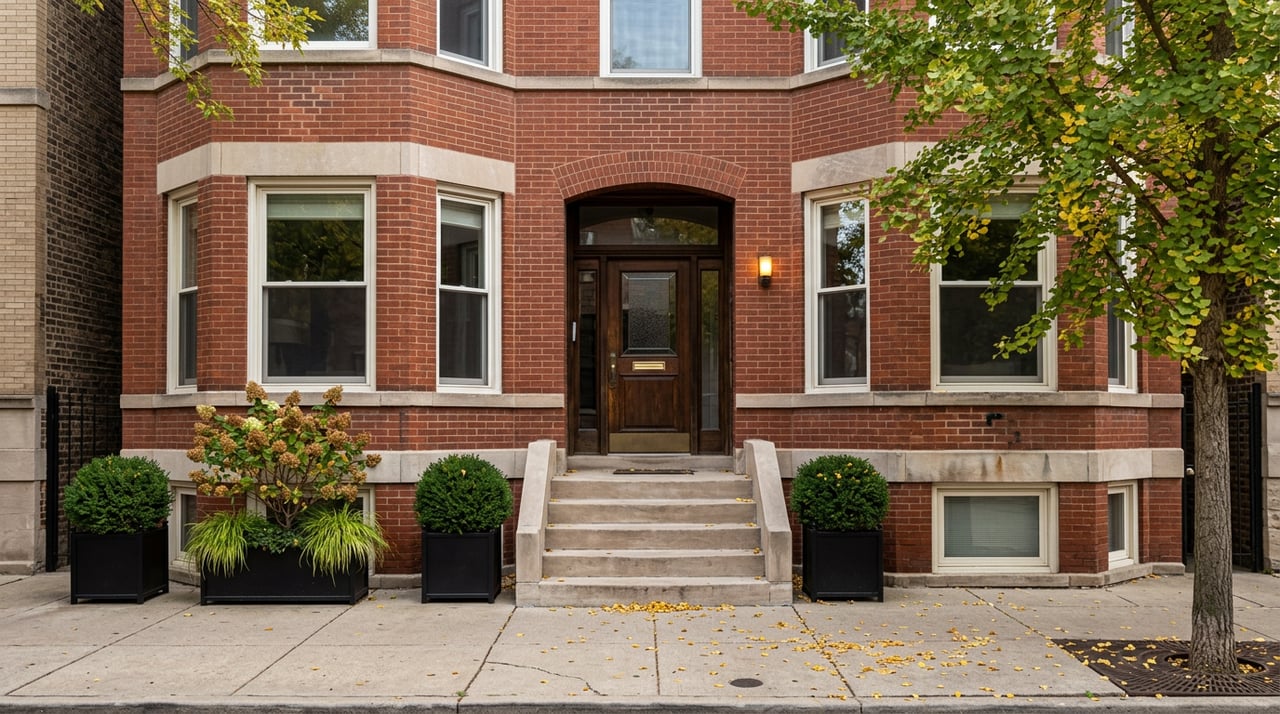
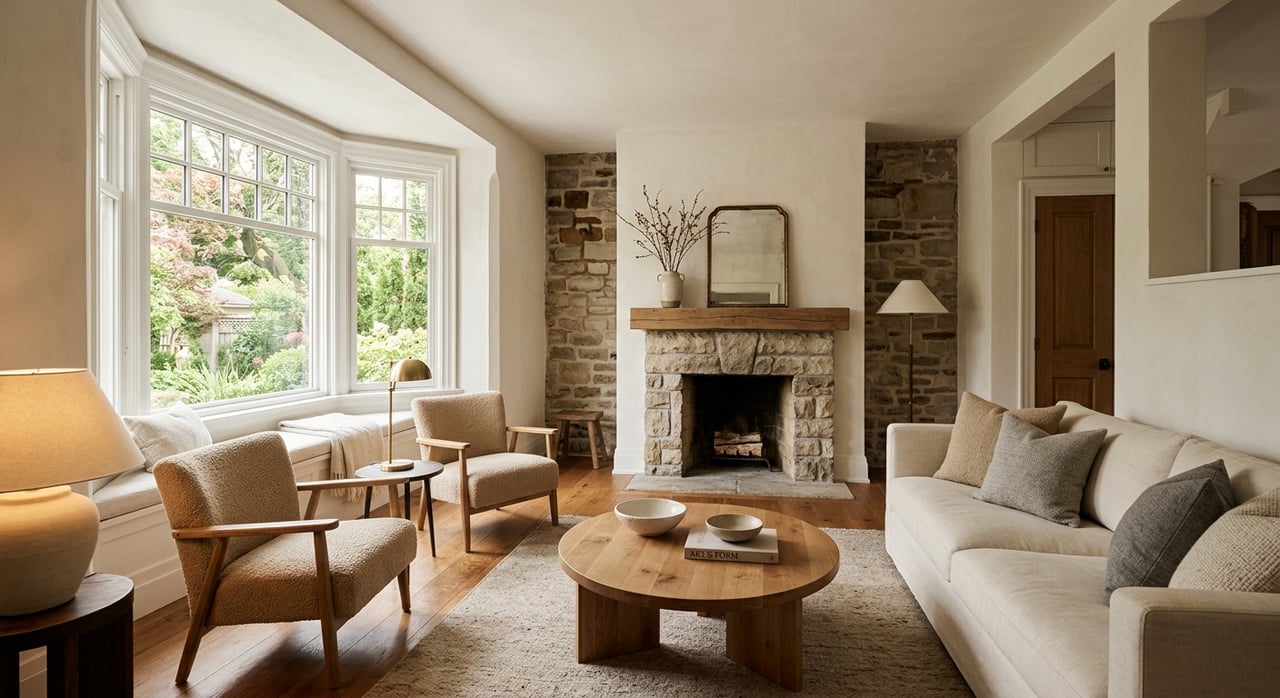
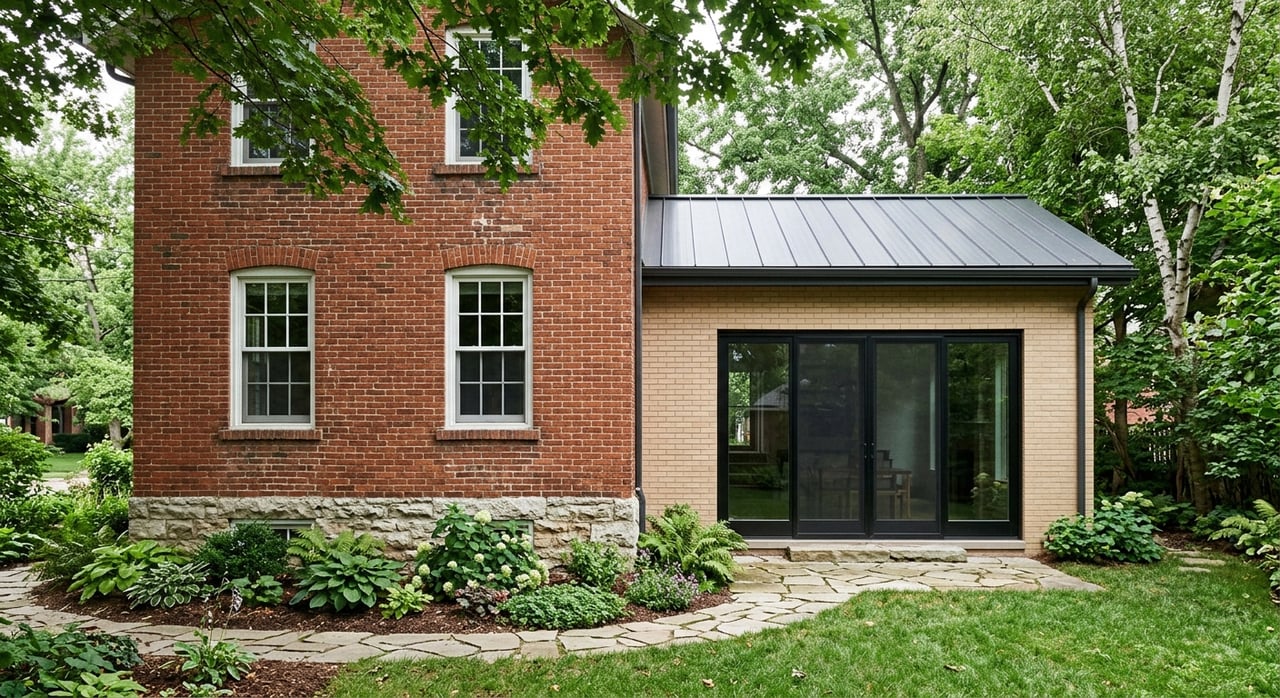
Historic homes in Lake Forest appeal to buyers who want original design, craftsmanship, and a stronger sense of architectural identity. Features like stone, brick, wood details, plaster, copper, porches, decorative brackets, windows, walls, and garden elements are often part of what makes these properties so compelling.
In many cases, the value of a historic home goes beyond square footage. A local Historic Preservation Commission packet described a 1930 French-style residence in the Green Bay Road Historic District with a mansard roof, quoin details, and segmental dormers, which shows the level of detail that can define these homes.
If you are drawn to mature streetscapes and established architecture, a historic home may feel more distinctive and more connected to the setting around it. That kind of character is hard to fully recreate in a newer build.
The tradeoff is flexibility. In Lake Forest’s historic districts and for local landmarks, exterior changes are reviewed with an emphasis on compatibility and preservation of distinctive materials and features.
The city’s historic standards generally favor repair over replacement. Additions and exterior alterations must be compatible with the original property’s massing, size, scale, and architectural features.
That does not mean a home must be frozen in time. It does mean changes usually require more planning, more documentation, and more patience than a straightforward update in a non-historic setting.
Lake Forest’s historic review process applies to homes in the East Lake Forest, Green Bay Road, and Vine/Oakwood/Green Bay Road districts, as well as local landmarks. The Historic Preservation Commission focuses on exterior appearance and compatibility, while zoning governs property use.
If you are looking at a home in one of these areas, it is smart to understand that exterior work may involve a different approval path than it would elsewhere in the city. That can affect your timeline, your design options, and your renovation budget.
The biggest difference between new construction and a historic home is often not the list price. It is the cost of what happens next.
With new construction, you may pay more upfront for newer systems and stronger efficiency, but you may face fewer near-term repair projects. With a historic home, you may gain design character and an established setting, but you should also be ready for specialist repairs, longer renovation planning, and possible improvements to efficiency or older materials.
The Department of Energy notes that many older homes have less insulation than homes built today. Whole-house energy assessments often check insulation and air sealing, and older exterior doors can contribute significantly to air leakage.
For a historic Lake Forest home, a pre-purchase energy audit can be a practical extra step. It can help you understand how the home performs now and what updates may be needed to improve comfort and operating costs.
If a home was built before 1978, lead-based paint should be part of your due diligence. The EPA says buyers and renters of most pre-1978 housing have the right to know about lead-based paint before signing a contract or lease.
The EPA also advises testing suspect materials such as floor tile, ceiling tile, shingles, and siding for asbestos, especially if materials are damaged or if renovation may disturb them. In an older home, that means your inspection planning should go beyond cosmetic appeal.
If you feel pulled in both directions, it helps to focus on how you want your first few years of ownership to look. Your best choice often comes down to time, budget, and your comfort level with projects.
Here is a simple way to frame it:
In some markets, the choice between new and old is mostly personal preference. In Lake Forest, local policy makes that decision more specific because demolition, new construction, and exterior changes are closely reviewed.
The city actively discourages demolitions and encourages renovation, updating, and expansion of existing structures. That makes it especially important to match your goals with the type of property you buy.
If you want a home that needs fewer projects and offers more predictable performance, new construction may be the cleaner fit. If you are comfortable with preservation review, specialist repairs, and a longer planning horizon, a historic home may offer the character and architectural depth you are looking for.
Before you decide, keep these steps in mind:
The right home is the one that fits both your lifestyle and your tolerance for complexity. In Lake Forest, that balance matters as much as curb appeal.
Whether you are comparing a teardown opportunity, a newer custom build, or a character-filled older property, working with a local team can help you weigh the real costs, timelines, and city review factors before you commit. If you are thinking about buying or selling in Lake Forest, Chicagoland Real Estate Advisors can help you evaluate your options with clear, practical guidance.
Stay up to date on the latest real estate trends.