Living in Skokie Illinois: What Everyday Life Feels Like
June 4, 2026
June 4, 2026
Wondering what life in Skokie actually feels like once the moving boxes are unpacked? If you are trying to decide whether this suburb fits your routine, budget, and lifestyle, the answer is less about hype and more about how easy daily life feels. Skokie stands out for its mix of practical convenience, transit access, recreation, and housing variety, and that can make a real difference in how you live day to day. Let’s dive in.
Skokie offers a setup that many buyers and renters want but do not always find in one place. The village is about 16 miles northwest of downtown Chicago and 12 miles east of O'Hare, which puts you close to both the city and a major airport.
That location shapes everyday life in a very real way. With I-94, CTA buses, Pace buses, and the Skokie Swift Yellow Line all in the mix, you can build a routine that feels suburban at home while still keeping Chicago and nearby suburbs within reach.
One reason Skokie feels practical is its scale. The village reports about 24,000 households and 2,400 businesses, and Census QuickFacts lists a mean commute time of 27.9 minutes.
For you, that can translate into a day where work, errands, dining, and recreation often feel close enough to manage without a lot of extra driving. It is not fully car-free for most people, but it can be more convenient than a lot of suburbs.
Downtown Skokie also gives the village a civic center that supports daily life. It is anchored by places like the Skokie Public Library, Heritage Museum, Illinois Science + Technology Park, Village Hall, and Oakton Community College.
If transit matters to you, Skokie gives you more options than many people expect. The CTA Yellow Line runs between Dempster-Skokie and Howard in Chicago, where you can connect to the Red Line and Purple Line Express.
Bus service helps fill in the rest. CTA's 97 Skokie bus serves Dempster-Skokie and Old Orchard Mall, while Pace's Pulse Dempster Line connects Skokie with nearby suburbs and other transit options.
For some people, yes. If you are comfortable using the Yellow Line, CTA buses, Pace routes, and neighborhood shopping districts, you may be able to build a daily routine with less reliance on a car.
That said, your experience will depend on where you live and where you need to go most often. Some households may still prefer a car for convenience, especially for larger errands or more flexible weekend plans.
Skokie makes it easy to stay active without leaving town. The Skokie Park District maintains 44 parks along with facilities that support fitness, recreation, and casual outdoor time.
That range matters because it gives you choices. You can fit a walk, skate session, swim, or trail ride into a normal week instead of saving outdoor activity for special occasions.
Some of the best-known local options include:
Emily Oaks Nature Center is a 13-acre woodland area with trails, a pond, and a nearby playground. If you like quieter outdoor spaces, it offers an easy local option for a walk or some time outside.
The Skokie Northshore Sculpture Park adds a different kind of experience. It stretches for two miles and includes more than 60 large-scale sculptures, making it useful for walks, jogs, and bike rides that feel a little more interesting than a standard neighborhood route.
The village also highlights the Skokie Valley Trail, a 25-mile rail-trail used for walking, jogging, cycling, and skateboarding. For many residents, that kind of access helps make movement and outdoor time part of everyday life rather than a major outing.
Skokie is not just convenient. It also offers a steady flow of local events and community spaces that give the village an active feel.
The village highlights events and attractions such as the Skokie Farmers' Market, Backlot Bash, Downtown Cookie Walk, public art programming, Music Theater Works, North Shore Center, and Skokie Theatre. Together, those add more ways to spend time locally without feeling like you need to leave town for something to do.
The Skokie Public Library also plays a major role in daily life. It presents itself as a community hub for lifelong learning and even offers home delivery for patrons who cannot visit the building.
A big part of day-to-day living is how quickly you can get things done. Skokie performs well here because everyday errands, dining, and shopping are spread across several distinct areas instead of being limited to one center.
Downtown Skokie includes locally owned shops, restaurants, and cafés. Main Street is known for international restaurants and cultural events, while Dempster Street leans toward casual dining and grocery access.
Village Crossing adds big-box shopping, restaurants, and a movie theater. Westfield Old Orchard expands the mix further with open-air shopping, dining, and entertainment.
If food variety matters to you, Skokie offers a notably broad dining mix. Chicago's North Shore CVB says the village includes American, Russian, Italian, Mexican, Asian, Kosher, and other cuisines.
That range can make everyday living easier and more enjoyable. Whether you are picking up takeout, meeting friends for dinner, or trying a new local spot, you have options across different parts of town.
Practical details matter, and Skokie has a few that stand out. Downtown Skokie offers free parking lots and free on-street parking, which can make quick errands and casual meetups less stressful.
That may seem small, but it changes how a place feels. When parking and access are easier, you are more likely to use local businesses as part of your regular routine.
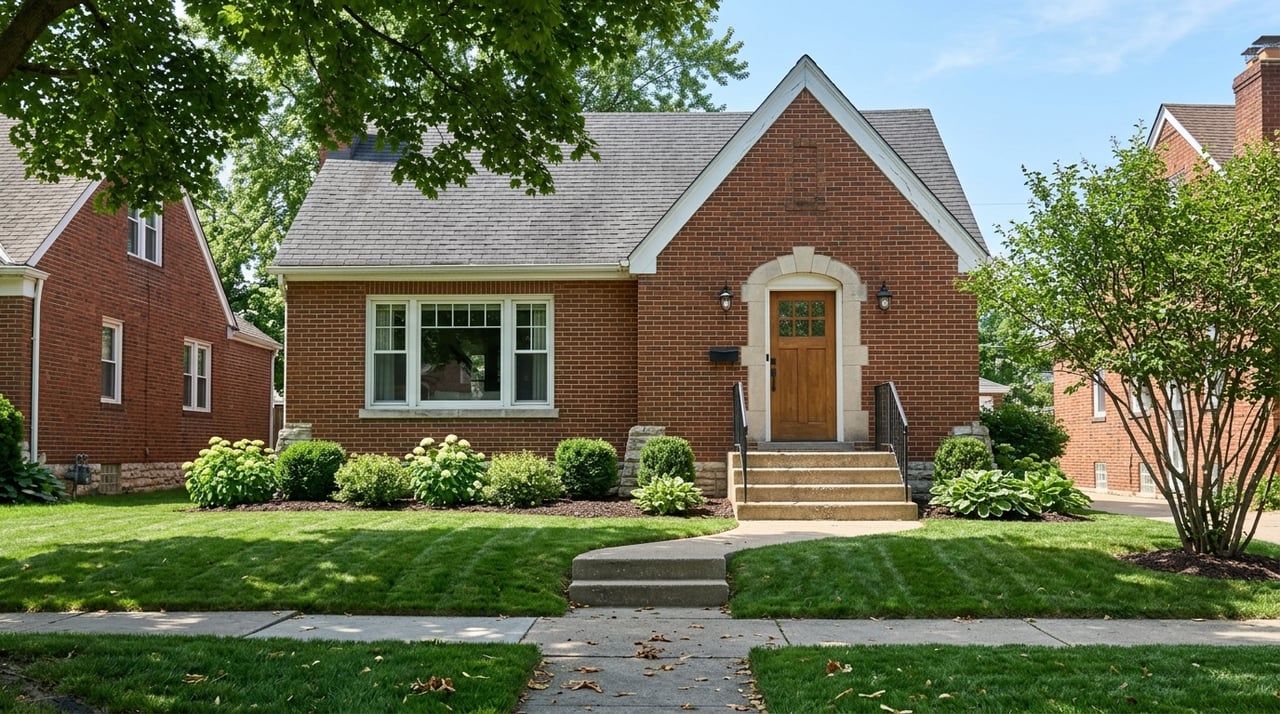
If you are thinking about moving to Skokie, the housing mix is another reason it draws interest. Village planning materials describe a range that includes apartments, townhomes, detached single-family homes, and other multifamily housing.
Skokie's land-use guidance also follows transit-oriented development principles. Higher-density housing is concentrated near the Downtown Core and transit-oriented mixed-use areas, while lower-density patterns remain an important part of the village in other locations.
For you, that means Skokie is not a one-format market. Depending on your goals, you may find options that align with a transit-friendly lifestyle, a lower-maintenance setup, or more traditional detached housing.
Budget is usually where lifestyle decisions become real. Current data suggests that Skokie often falls into a mid-to-upper range for both ownership and rentals compared with some nearby options.
Census QuickFacts reports a 74.7% owner-occupied housing rate, a median owner-occupied value of $387,200, and a median gross rent of $1,552. Zillow's current average rent estimate is $2,200, while Redfin's recent median sale price is $449,768, with homes selling in about 45 days over the last three months.
Because those sources measure different things over different time periods, the clearest takeaway is this: many ownership conversations in Skokie land in the mid-to-upper $300,000s through the mid-$400,000s, while rentals commonly cluster in the low-$2,000s.
Skokie can work well if you want a suburb that supports everyday convenience. You may find it especially appealing if you value transit access, a wide range of food options, local parks, and housing that includes more than just one type of home.
It can also make sense if you want a place where errands, recreation, and commuting can feel balanced. That is really the core of day-to-day living in Skokie: it offers a routine that can feel efficient, active, and well connected.
If you are comparing Skokie with other north suburban or city-adjacent options, it helps to look beyond headlines and focus on how you actually want your week to work. That is often where Skokie makes its strongest case.
Whether you are buying, renting, or planning your next move, having local guidance can make it easier to match your budget and lifestyle with the right part of the market. If you want help exploring Skokie with a practical, neighborhood-level lens, connect with Chicagoland Real Estate Advisors.
Stay up to date on the latest real estate trends.