How to Sell a Luxury Home in Lake Forest with Confidence
June 25, 2026
June 25, 2026
If you are getting ready to sell a luxury home in Lake Forest, presentation alone is not enough. Buyers at this price point notice condition, layout, finishes, and how confidently a home has been prepared for the market. The good news is that with the right plan, you can reduce friction, highlight your home’s strengths, and launch with more confidence. Let’s dive in.
Lake Forest remains a high-value market, with recent 2026 snapshots showing home values and sale prices well above the $1 million mark. Depending on the source, median days on market have ranged from 34 to 49, which suggests demand is active but buyers still expect a polished, well-positioned listing.
That matters because luxury buyers are not just buying square footage. They are comparing architecture, condition, grounds, room flow, and how a property feels online before they ever schedule a showing. In a market described as somewhat competitive by one source and a seller’s market by another, strong preparation can help your home stand out.
The goal is not to over-improve every room. In most cases, the best results come from a focused plan built around decluttering, cleaning, repairs, staging, and accurate marketing media.
For many Lake Forest sellers, the most efficient order looks like this:
This sequence helps you avoid redoing work or rushing through decisions late in the process. It is especially useful for older homes, larger estates, and properties with exterior features that may trigger local review.
Luxury homes often have generous room sizes, extra sitting areas, formal dining spaces, and lower-level amenities. Those features can be a major advantage, but only if buyers can quickly understand how each space lives.
That is why decluttering is one of the most important first steps. Remove extra furniture, family photos, and highly personal collections so rooms feel open, neutral, and easy to read.
In larger homes, less is often more. A few well-scaled pieces can define a room better than filling it with too much furniture. This helps buyers see the purpose of expansive rooms instead of wondering how they would use them.
Most sellers do not need a full remodel before listing. National staging guidance points to the basics first: decluttering, cleaning, and curb appeal.
In practice, that usually means:
These updates may sound modest, but they can have a major effect on first impressions. Clean, bright, well-maintained spaces signal that the home has been cared for.
Not every room carries the same weight during the sale process. According to 2025 staging research, the rooms with the greatest impact are the living room, primary bedroom, kitchen, and dining room.
If you are deciding where to spend time and budget, start there. These are often the rooms that shape a buyer’s emotional reaction to the home and dominate the listing photos.
The living room should feel inviting, balanced, and easy to picture in daily use. Edit down extra seating, clear visual clutter, and create a layout that shows conversation space and traffic flow.
The primary bedroom should feel calm and spacious. Simplify bedside surfaces, reduce oversized furniture if needed, and keep linens and finishes clean and understated.
The kitchen and dining room often help buyers imagine entertaining and everyday routines. Clear counters, remove unnecessary small appliances, and keep table styling simple and proportional to the room.
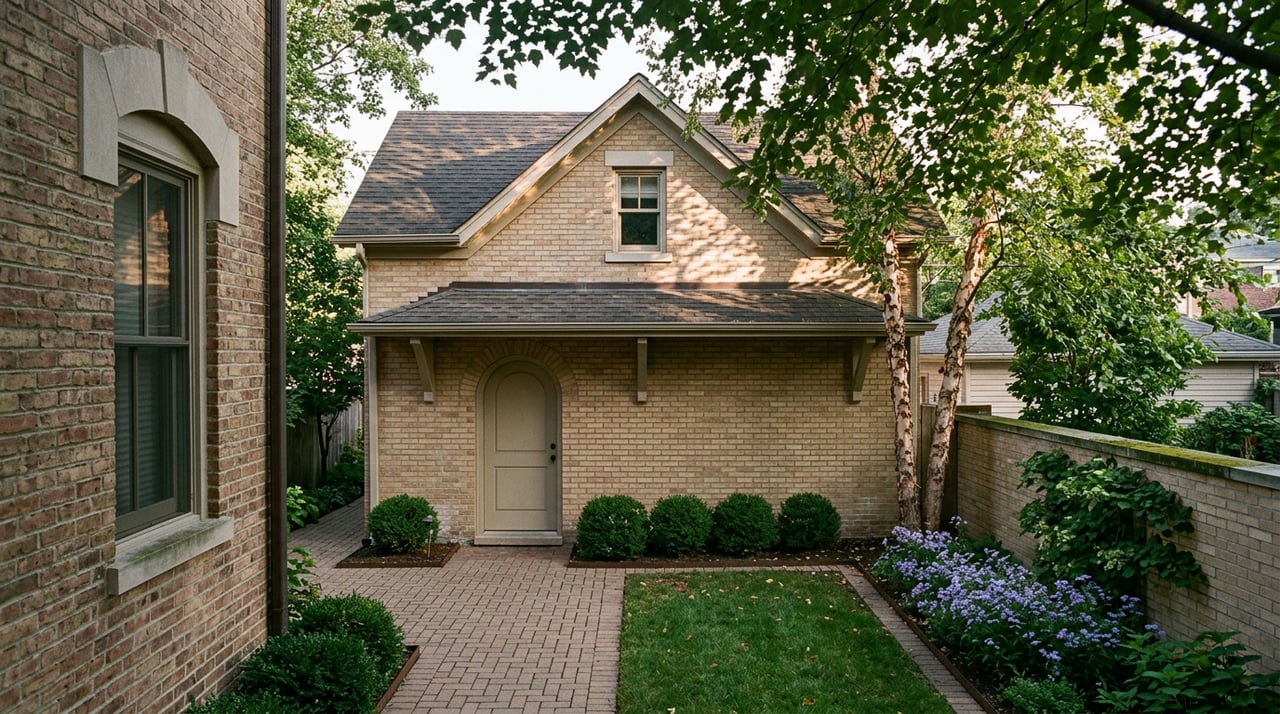
In a Lake Forest luxury home, buyers may also evaluate terraces, pools, guest houses, home offices, finished lower levels, and outdoor living areas. These spaces should not feel like afterthoughts.
Instead, style each area as a clear living zone. A home office should read like a productive workspace, a lower level should show how it functions, and outdoor areas should feel usable and intentional.
This is especially important in larger homes with multiple amenity spaces. Buyers respond better when they can quickly understand how the property supports real day-to-day living.
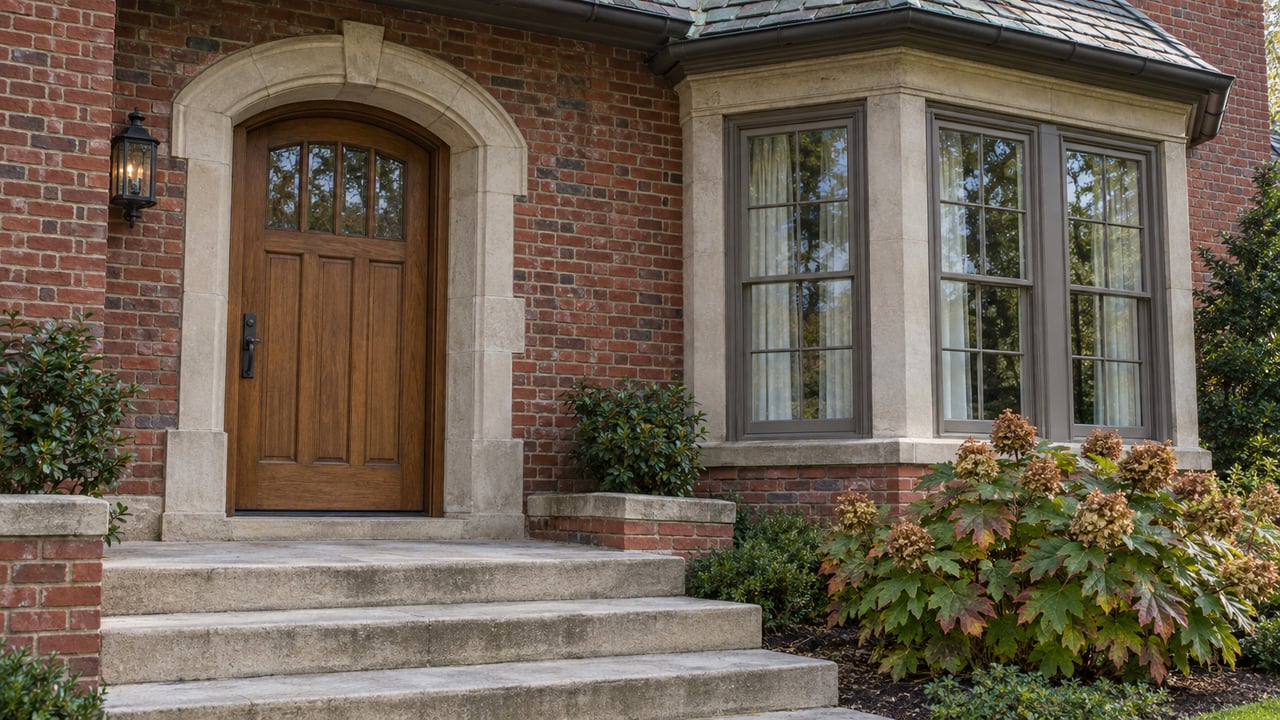
Exterior presentation carries extra weight in Lake Forest, where mature landscaping contributes to how a property fits the streetscape. City preservation standards note that trees and vegetation can help reduce the visual mass of a structure and support how it sits within its setting.
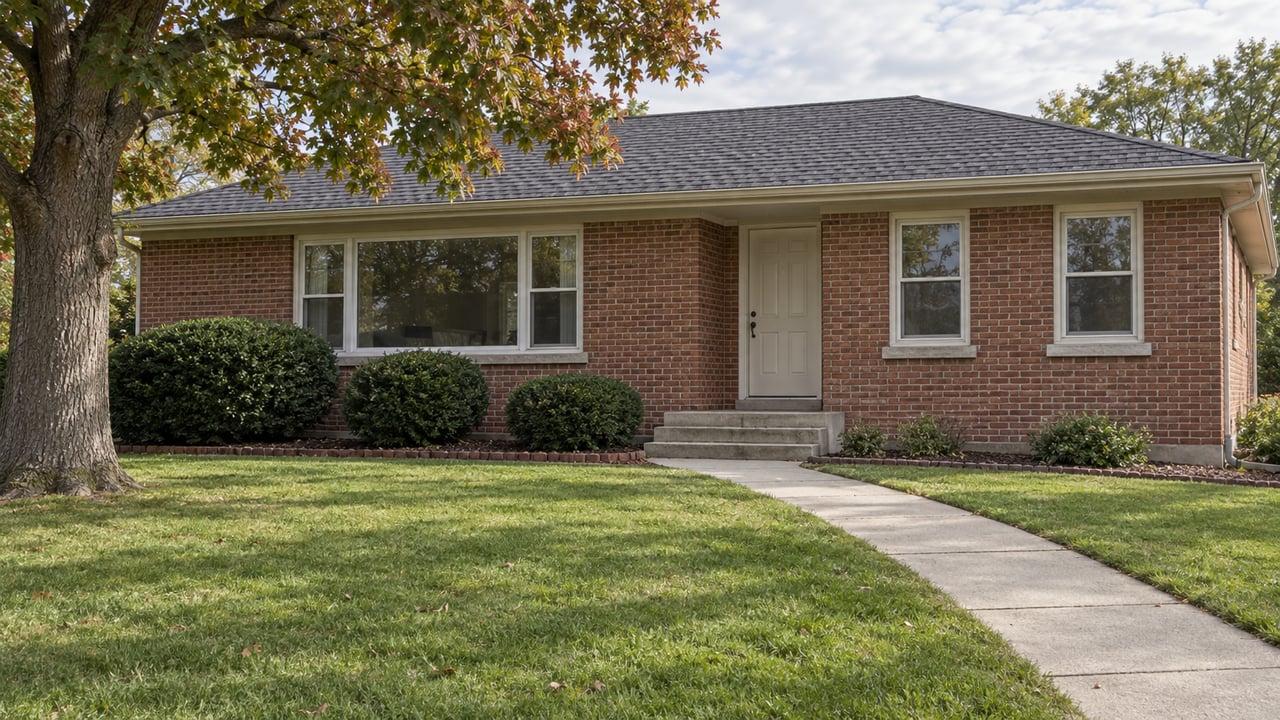
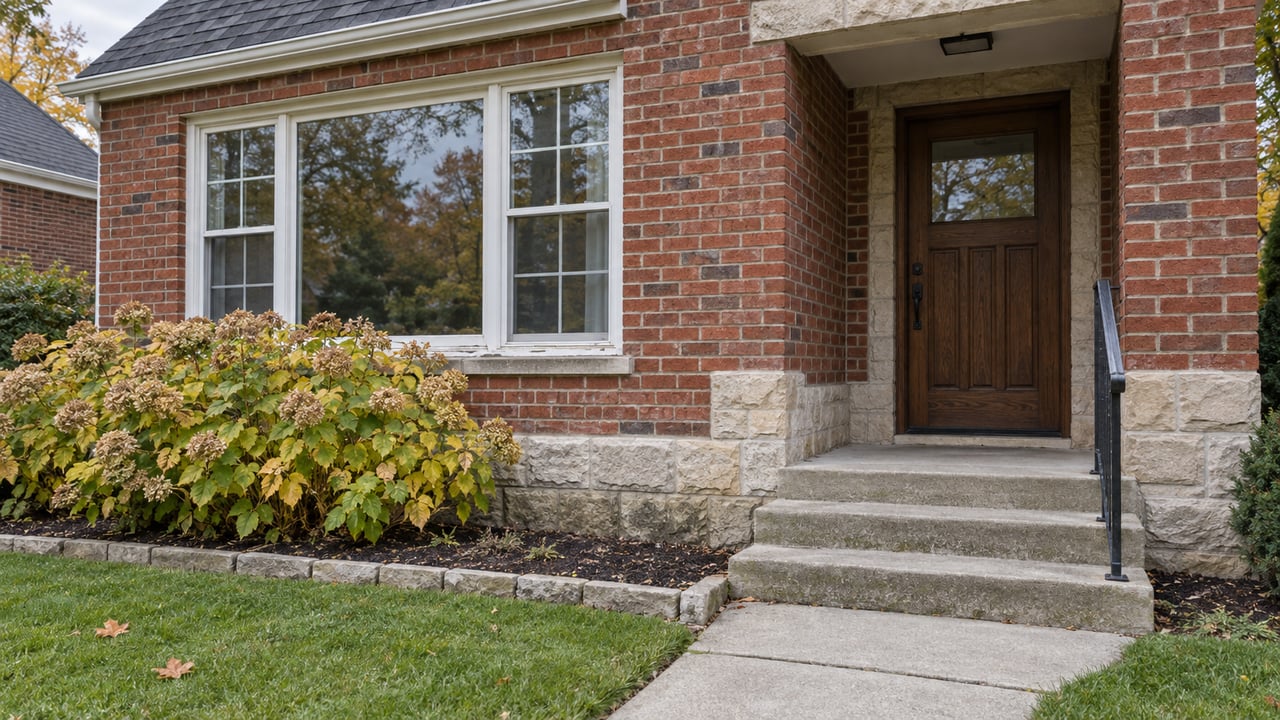
That means curb appeal is not just about mowing the lawn before photos. It may also involve thoughtful pruning, landscape cleanup, and making sure planting beds, walkways, and exterior materials present well.
For homes with significant trees, do not assume major landscape changes are simple cosmetic work. In Lake Forest, tree and landscape work can be regulated, so it is wise to confirm requirements before moving forward.
One of the biggest mistakes sellers make is treating pre-sale exterior work like a quick weekend project. In Lake Forest, many common updates can trigger permit review.
The city’s building permit checklist covers projects such as:
If your prep plan includes any of these items, confirm the requirements before work begins. The city also encourages online permit submission through BSA Online.
Some Lake Forest homes fall within local historic districts or have landmark status. If that applies to your property, exterior alterations, additions, demolition, or new construction may require a Certificate of Appropriateness.
That review can involve details such as exterior materials, windows, roofing, gutters, driveways, and patios. The city also notes that natural materials are strongly encouraged.
For historic homes, the standards favor repair over replacement when possible. If replacement is necessary, materials and texture should match closely, and additions should remain compatible in massing, scale, and architectural features.
If you start exterior work without checking these rules, you can create delays, extra cost, or unfinished work right when you want to go live. A quick permit and preservation review early in the process can save time and stress later.
A pre-list inspection can be a smart move for a luxury home, especially if the property is older or has more complex systems. It can help you identify repair items before buyers do and reduce surprises during attorney review and inspection negotiations.
It can also support more realistic pricing and create a clearer disclosure file. If you complete repairs, keeping receipts and documentation can help give buyers greater confidence in the condition of the home.
In Illinois, sellers must provide the Residential Real Property Disclosure Report before a contract is signed. If you later learn of an error, inaccuracy, or omission before closing, the law requires a written supplemental disclosure.
The law requires disclosure of material defects that you actually know about, but it does not require you to conduct a specific investigation. Even so, getting ahead of known issues often makes the sale process smoother.
Illinois also requires sellers to provide the state-approved radon pamphlet and radon-hazard disclosure materials in residential sales. In a Lake Forest home with a basement, crawlspace, or finished lower level, radon should be part of your early planning conversation.
Once the home is clean, repaired, and staged, marketing media becomes critical. Professional photos, video, and virtual tours matter because many buyers decide whether to visit based on what they see online.
At the luxury level, strong media should do more than document rooms. It should show flow, scale, natural light, and the relationship between interior and exterior spaces.
If virtual staging or photo enhancement materially changes a room, it should be disclosed so buyers receive an accurate picture of the property. That protects trust and helps align expectations before showings.
Preparing a Lake Forest luxury home often involves more moving parts than sellers expect. Cosmetic updates, inspections, contractor scheduling, permit questions, preservation review, staging, and photography can all overlap.
That is where a coordinated team can make a real difference. A strong process usually includes an advisor to guide pricing and timing, an inspector to identify issues, contractors for repairs, a stager for room-by-room presentation, and media professionals once the home is fully ready.
When the sequence is managed well, you avoid wasted effort and keep your launch on schedule. That kind of coordination can turn a complicated prep phase into a much smoother experience.
The best-prepared Lake Forest luxury listings usually have one thing in common: they make the buyer experience feel easy. Rooms feel intentional, condition feels addressed, the exterior looks cared for, and there are fewer unanswered questions.
That does not mean you need to renovate everything before you sell. It means making smart decisions, checking local requirements, and presenting the home in a way that reflects its value from day one.
If you are thinking about selling in Lake Forest and want a clear prep plan, Chicagoland Real Estate Advisors can help you coordinate the right steps, timing, and local resources before your home hits the market.
Stay up to date on the latest real estate trends.